
Selling Vietnamese tea to Korea starts with paperwork on the Korean side: the overseas facility that makes the tea must be registered with Korea’s Ministry of Food and Drug Safety (MFDS) before the importer can declare the shipment, and every lot must meet Korea’s Positive List System for pesticides, where a substance without a Korean limit is held to 0.01 mg/kg. Import duty on green tea can be high, so check the rate before quoting. Within those rules, Vietnamese oolong, jasmine and green tea are practical options for Korean cafés, tea brands and food makers, as long as the specification is clear and the lot is tested.
| Step | What applies | Who handles it |
|---|---|---|
| Overseas facility registration | Special Act on Imported Food Safety Management; facility registered with MFDS before the import declaration | Importer or the overseas facility |
| Import declaration | Filed with MFDS for each shipment; documents checked, some lots sampled and tested | Korean importer |
| Residue limits | Positive List System, all agricultural products since 1 January 2019; 0.01 mg/kg where no limit is set | Supplier tests, importer checks |
| Korean label | Korean-language label with the required particulars | Importer or brand owner |
| Import duty | Depends on the tariff line and on the trade agreement used; a preferential rate needs a valid certificate of origin | Importer and customs broker |
1. Register the overseas facility
Under Korea’s Special Act on Imported Food Safety Management, a foreign facility that manufactures, processes or packs food for Korea has to be registered with MFDS before the importer files an import declaration. The registration identifies the facility that made the lot, so the facility named on our documents must match the registration. For a Korean order, we confirm the registration for the facility that will make your tea with your importer before the first shipment, so that the declaration is not held up.
2. Import declaration and inspection
The importer declares each shipment to MFDS. Officers review the documents, and lots may be inspected on site or sent for laboratory testing; a product imported for the first time is more likely to be tested. A lot that fails cannot be sold in Korea. Send the importer a full specification, the commercial invoice, packing list and a test report on the lot; see export documents for Vietnamese tea.
3. Residue limits: Korea’s Positive List System
Korea applied its Positive List System for pesticides to all agricultural products from 1 January 2019. A pesticide with a Korean limit for tea is judged against that limit; one without is held to 0.01 mg/kg. The logic is the same as in Japan and the EU: a substance allowed in Vietnam may still have no Korean limit for tea. Agree the test list for Korea before the order and test the lot that ships. Our articles on Japan’s rules and EU MRL rules explain the same approach for those markets.
4. Which Vietnamese teas fit Korean buyers
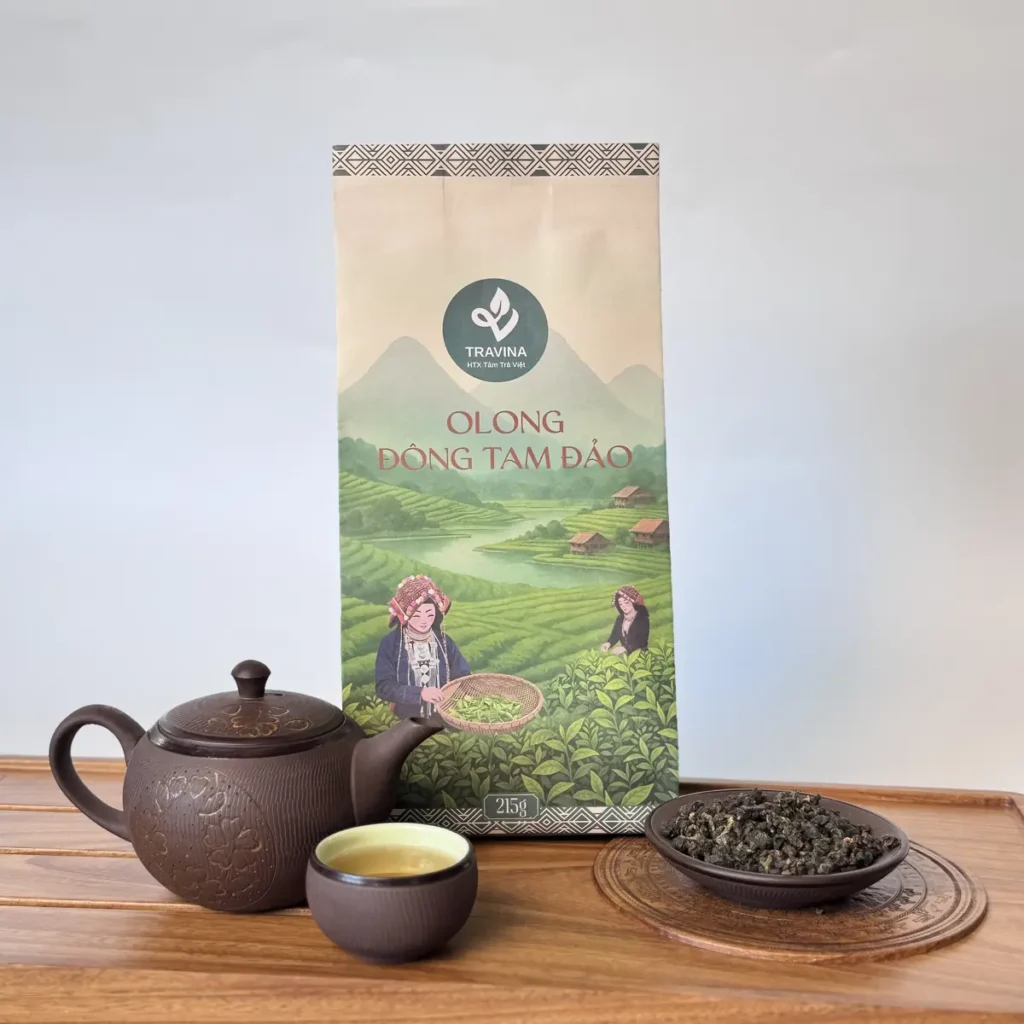
- Oolong: our Kim Tuyen oolong from the Tam Dao foothills, a rolled oolong for cafés, tea brands and blends.
- Jasmine green tea: scented with fresh jasmine flowers; see Vietnamese jasmine tea wholesale for the scenting process and grades.
- Green tea for blends and food: pan-fired Thai Nguyen green tea in several grades; see Thai Nguyen green tea grades.
- Tea bags under your label: broken needle tea in bags for hotels and offices; see Vietnamese tea bags under your label.
Korea grows its own green tea, so buyers looking at Vietnam usually want a different profile or a different price point rather than a copy of Korean tea. Tell us the use and the target cup, and we will send matching samples.
5. Labels and duty
Retail packs sold in Korea need a Korean-language label; the importer is responsible for it. For your own brand packed in Vietnam, we print the Korean text you supply and keep a sealed reference sample of the approved pack. Vietnam and Korea are both parties to several trade agreements, and the duty on tea depends on the tariff line and the agreement used. Confirm the rate and the certificate of origin you need with your customs broker before you fix a price.
Planning a first Korean order? Importers can request samples of Traditional Northern Green Tea, Special Green Tea or Broken Needle Tea Bags through our Contact page, or message our export team on Zalo/WhatsApp at +84 855 318 678. Tell us the product, the use and the volume, and we will set out registration, testing and lead time with your importer. Price terms are on MOQ, price tiers and lead times.
Frequently asked questions
Does the Vietnamese factory need to register with MFDS?
Yes. The overseas facility must be registered with MFDS before the importer files the import declaration.
What residue limit applies if Korea has no limit for a pesticide on tea?
0.01 mg/kg under the Positive List System, which has covered all agricultural products since 1 January 2019.
Will my first shipment be tested?
It may be. Documents are always checked, and products imported for the first time are more likely to be sampled.
Which Vietnamese teas suit Korean buyers?
Oolong, jasmine green tea, green tea for blends and food, and tea bags under the buyer’s label, depending on the use.
Is import duty on tea low in Korea?
Not always; duty on green tea can be high. Check the rate for your tariff line and trade agreement before quoting.


