Vietnam oolong tea Kim Tuyên is oolong made from the Kim Tuyên cultivar, known in Taiwan as Jin Xuan (金萱) or Taiwan Tea No. 12. In Vietnam it is planted mainly in the Lâm Đồng highlands and also in Thái Nguyên, and it is usually processed as a lightly oxidised, tightly rolled oolong with a creamy, floral aroma. This guide explains the cultivar, the oxidation ranges buyers use, the bulk specifications worth writing into a purchase order, and where our Ô Long Đông Tam Đảo (Tam Dao Oolong Tea) from the La Bằng gardens fits in.
| Question | Short answer |
|---|---|
| What is Kim Tuyên? | The Vietnamese name of Jin Xuan (金萱), Taiwan Tea No. 12, officially named in 1981 |
| Where is it grown in Vietnam? | Mainly Lâm Đồng; also part of the replanting mix in Thái Nguyên |
| Typical oxidation | Light to medium, as estimated by the maker (not a lab figure) |
| Typical bulk packing | Vacuum-sealed foil bags in export cartons, sizes on request |
| Moisture target | Commonly specified at about 6–7% or below; our value is confirmed per lot, on request |
| Our oolong | Ô Long Đông Tam Đảo, from La Bằng, Thái Nguyên |
| Samples, MOQ, price | Through our Contact page; MOQ depends on lot and packing; export prices are quoted per request |
What is the Kim Tuyên cultivar?
Kim Tuyên is the Vietnamese name for Jin Xuan (金萱), a tea cultivar bred in Taiwan and officially named Taiwan Tea No. 12 in 1981. Before its release it was tested as experimental line 2027. Its parents are Tainung No. 8 and the traditional Yingzhi Hongxin bush, and its development is linked to the tea scientist Wu Zhenduo and the researchers, technicians and farmers who worked around him.
Growers adopted it for practical reasons. The bush is vigorous, yields well and tolerates pruning, and the leaf can be made into lightly oxidised rolled oolong, roasted oolong, pouchong or even black tea. That flexibility explains why Jin Xuan travelled. Together with Taiwanese machinery and processing know-how, it spread to mainland China, Vietnam, Indonesia and Thailand to make what the trade calls “Taiwan-style oolong”.
A 2026 study published by Taiwan Insight makes a point that is useful for buyers: a tea grown in Vietnam can be botanically Jin Xuan and still be a product of Vietnamese soil, weather and hands. The cultivar sets the starting point; the garden, the picking and the processing decide the cup. Our article on which tea cultivars Vietnam grows places Kim Tuyên next to Trung du, Shan and LDP1. Here we focus on what matters when you buy Kim Tuyên as oolong.
Where Kim Tuyên oolong is grown in Vietnam
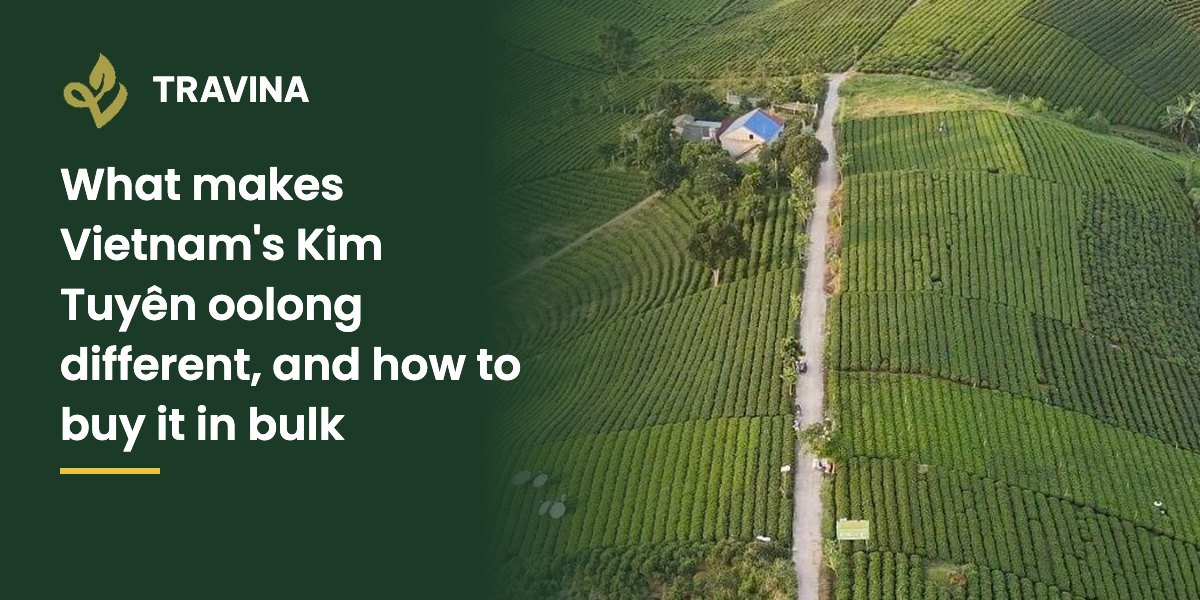
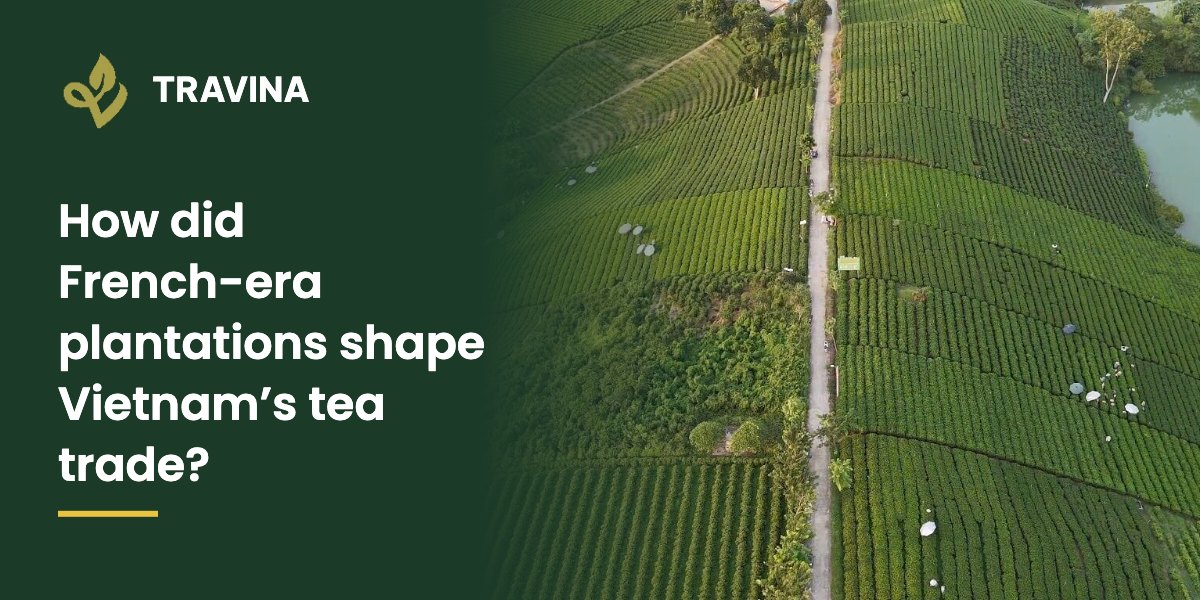
The first large plantings were in the Lâm Đồng highlands in the south. In 2006, Tuổi Trẻ newspaper, citing the provincial agriculture department, reported more than 1,500 ha of high-quality cultivars there, including Kim Tuyên, Tứ Quý and Ngọc Thúy. Most of that area belonged to foreign-invested farms, and it earned about ten times the return per hectare of traditional tea in the province.
In the north, Kim Tuyên is part of the replanting mix in Thái Nguyên, alongside cultivars such as LDP1 and Phúc Vân Tiên. In 2023 the newspaper of Vietnam’s agriculture ministry reported that areas with suitable climate and soil should plant high-quality cultivars “such as Kim Tuyên” for specialty tea.
So a Vietnam Kim Tuyên oolong can come from very different terrain: a cool highland plateau in the south, or low hills at the foot of mountain ranges in the north. When you compare offers, ask where the lot was grown and when it was picked, not only which cultivar it is.
How Kim Tuyên oolong looks and tastes
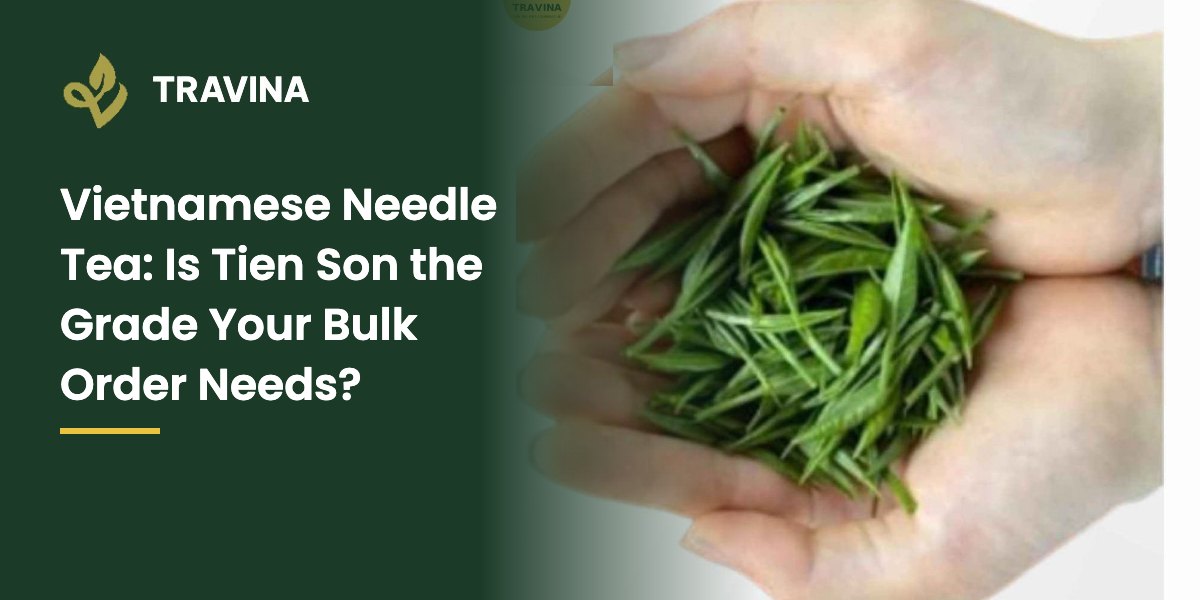
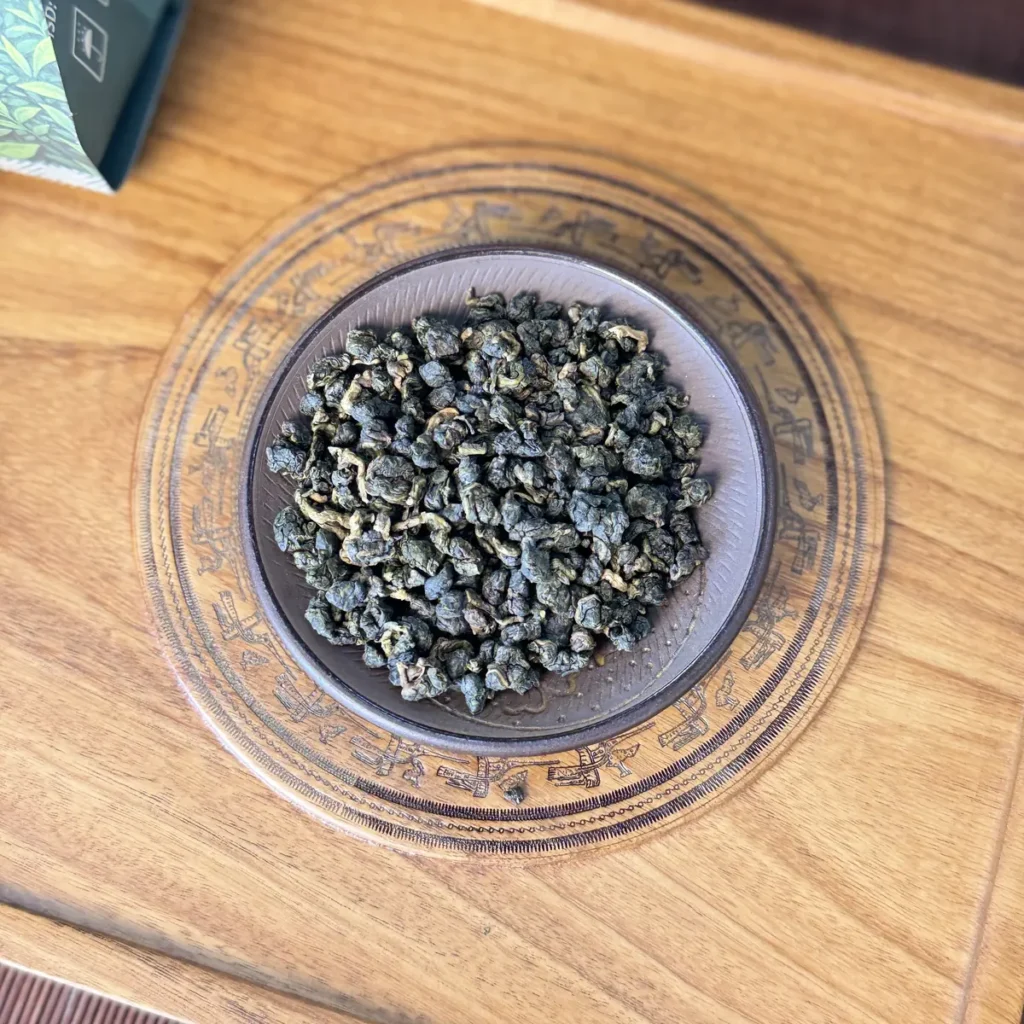
Well-made Kim Tuyên oolong is usually rolled into tight semi-balls, dark green with touches of yellow. The liquor of a light oxidation is pale gold to yellow-green and should be clear. The aroma most buyers look for is creamy, often described as milky, with floral notes. Heavier oxidation or roasting moves it toward baked fruit, honey and toasted grain.
One caution. Some products sold as “milk oolong” carry added flavouring. If your label will say plain oolong, ask the supplier for the ingredient list and a written statement that nothing has been added. Our oolong contains tea leaves only.
Oxidation levels: the ranges buyers use
Oolong sits between green tea, which is not oxidised, and black tea, which is fully oxidised. There is no simple lab test that gives the oxidation percentage of a finished oolong. The figures used in the trade are the maker’s estimate, based on how long the leaf was withered and how hard it was bruised. Treat them as a shared language between buyer and producer, not as a measurement.
| Level | Common trade range (estimate) | Dry leaf | Liquor | Aroma | Typical use |
|---|---|---|---|---|---|
| Light | about 10–25% | Jade green, tight balls | Pale gold, yellow-green | Floral, creamy | Specialty retail, tea bars serving pure oolong |
| Medium | about 25–45% | Green with brownish edges | Golden to light amber | Ripe fruit, honey | Tea shops, gift tins |
| Heavier or roasted | about 45–70% | Brown to dark brown | Amber to orange | Toasted, nutty | Milk tea bases, cold brew, food service |
Kim Tuyên is most often made at the light end of the scale. If you need a specific style, describe it with three points: the estimated oxidation range, the liquor colour you expect, and the roast level (none, light or medium). Then approve against a physical sample. A sealed reference sample is more reliable than any percentage written in an email.
Ô Long Đông Tam Đảo: our oolong from La Bằng
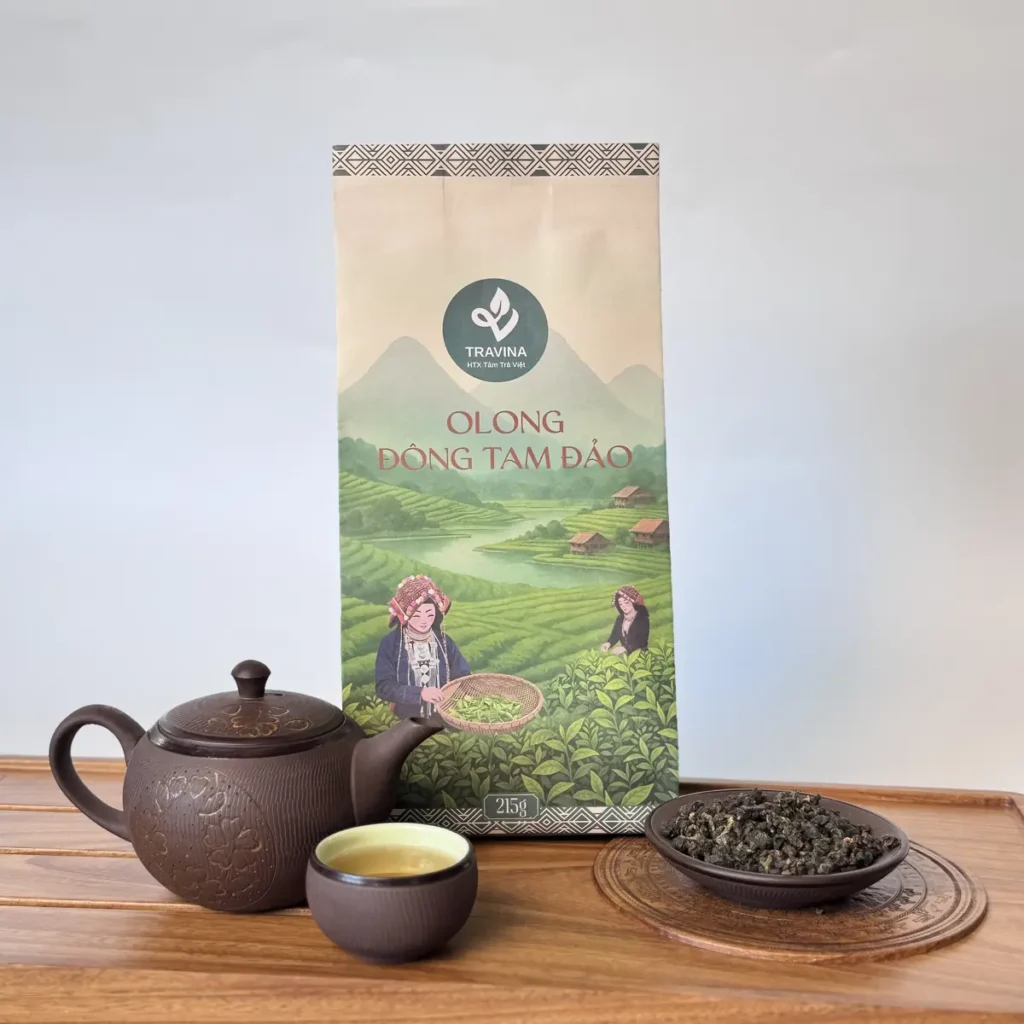
TRAVINA is the brand of Tam Tra Viet Cooperative (HTX Tâm Trà Việt) in Thái Nguyên province. Our Ô Long Đông Tam Đảo (Tam Dao Oolong Tea) is made from hand-picked shoots grown in the La Bằng gardens, on the eastern side of the Tam Đảo range. The leaf is partly oxidised and rolled at our La Bằng facility. You can read more about the area in our guide to the Đại Từ and La Bằng growing areas.
The La Bằng facility holds ISO 22000:2018 certificate GOODVN91025.FSMS, and its scope includes oolong. Member gardens hold VietGAP certificate DVCL-VG-TT-24-19-68. Scans of both are on our certificates and licences page. The gardens also follow our 6 Không (Six-No) practice: no chemicals, no pesticides, no chemical fertiliser, no colouring, no bleaching and no preservatives. This is a production commitment.
On cultivar, we prefer to be direct. We do not sell Đông Tam Đảo as a single-cultivar Kim Tuyên tea. Our members’ gardens combine older Trung du bushes with improved cultivars, and the cultivar behind each lot is stated in writing on the specification sheet. If your market requires “Kim Tuyên” or “Jin Xuan” on the label, tell us at the enquiry stage and we will say plainly whether a lot qualifies.
Oolong is one of our main lines: around 17.8 tonnes of the 120 tonnes of dry tea in our yearly production plan. The harvest runs from March to October, and the bushes rest from November to February, so lots for the following spring should be reserved early.
Bulk specifications to put in your purchase order
The table lists the points buyers usually fix for bulk oolong. Figures in the “typical in the trade” column are common practice, not a promise for every lot. Our own values are confirmed per lot on the specification sheet, on request.
| Item | Typical in the trade | TRAVINA |
|---|---|---|
| Leaf style | Rolled semi-ball, whole leaf | Rolled, partly oxidised; reference sample on request |
| Moisture at packing | About 6–7% or below | Target confirmed per lot, on request |
| Inner packing | Vacuum-sealed aluminium foil bags | Vacuum packing on request |
| Bag size | 1 kg, 5 kg or custom | On request |
| Outer packing | Lined export cartons | On request |
| Current retail pack | Not applicable | 215 g paper pouch |
| Labelling | Buyer’s language and import rules | Chinese-language labels for China on request |
| Lab reports | Pesticide residues, other tests by market | Test report per lot, on request |
| Shipping documents | Phytosanitary certificate, certificate of origin | Prepared per shipment for formal export |
| Storage | Cool, dry, away from odours | Same |
Two practical notes. First, rolled oolong is dense and holds its aroma well, but it also picks up odours from cartons and containers, so keep the vacuum intact until the bags are opened. Second, agree the moisture method with your laboratory before the first order, for example ISO 1573 (loss in mass at 103 °C), so that both sides read the same number.
If you plan to sell under your own brand, our bulk tea export and private label page explains how we handle packing and labels for partners.
How to request a Kim Tuyên oolong sample
Send us a short brief through the Contact page: your market, the style you want (oxidation and roast), your estimated annual volume, the packing format, and whether you need a written cultivar statement. We reply with the lot available and send a sample. Our guide on how to request and judge tea samples covers the process step by step.
When the sample arrives, brew it two ways. Use a standard cupping method, for example ISO 3103 (2 g of leaf per 100 ml of water for 6 minutes), to compare lots side by side, and then your own serving method. Check the dry leaf (tightness, colour, broken pieces), the liquor (clarity and colour), the aroma after each infusion and the wet leaf (whole shoots, even edges). Keep part of the approved sample sealed as the reference for shipment.
MOQ, pricing and lead time
We do not publish a fixed MOQ or an export price list. The minimum depends on the lot, the packing format and whether you need private labelling. Prices are quoted per request, and the lead time is confirmed together with the quote. For the reasoning behind this, see our article on MOQ, price tiers and lead times, or simply contact us with your volume.
Shipping oolong to China and other markets
For buyers in China, oolong from Vietnam follows the same import path as green tea. The producer must be registered under GACC Decree 280, the retail packs need Chinese-language labels, and you will choose between border trade and formal export. For other markets we prepare the documents per shipment and check the label rules with you before printing.
Frequently asked questions
Is Kim Tuyên the same as Jin Xuan?
Yes. Kim Tuyên is the Vietnamese reading of 金萱 (Jin Xuan), the cultivar officially named Taiwan Tea No. 12 in 1981. The same plant may be sold as Kim Tuyên, Jin Xuan or Jinxuan, depending on the market.
Does Vietnam Kim Tuyên oolong taste milky by itself?
A light oxidation often gives a creamy, milk-like aroma without any additive. Some “milk oolong” on the market is flavoured, so ask for the ingredient list if your label says plain oolong.
Is your Ô Long Đông Tam Đảo made from Kim Tuyên?
We do not sell it as a single-cultivar Kim Tuyên tea. Our gardens combine Trung du bushes with improved cultivars, and the cultivar behind each lot is stated on the specification sheet. Tell us if your label needs a cultivar name.
What oxidation level is your oolong?
The leaf is partly oxidised and rolled. We describe each lot by liquor colour, aroma and an estimated range on the specification sheet, and we recommend judging it from a sample rather than a number.
What is the minimum order quantity?
There is no fixed MOQ. It depends on the lot, the packing format and private labelling. Contact us with your volume and we will confirm what is possible for the current season.
Can you vacuum-pack bulk oolong under my label?
Yes, vacuum packing and private labels are available on request. Send your bag size, label language and target market, and we will confirm the details before the order.
Sources
- Junhong Ma, “The Lure of Jinxuan (金萱): Following a Tea Cultivar Bred in Taiwan Across Places, Names, and Tastes”, Taiwan Insight (University of Nottingham Taiwan Research Hub), 17 July 2026: taiwaninsight.org
- Nông nghiệp và Môi trường newspaper (Ministry of Agriculture and Environment), “New tea cultivars wake up sleeping hills” (in Vietnamese), 26 July 2023: nongnghiepmoitruong.vn
- Tuổi Trẻ, “Lâm Đồng grows oolong tea” (in Vietnamese, citing the Lâm Đồng agriculture department), 3 November 2006: tuoitre.vn
Want to taste it first? Request a sample of Ô Long Đông Tam Đảo, a specification sheet or a cultivar statement through our Contact page. Tell us your market and volume, and our export team will reply with the lot available.