
Tips and Secrets For Enjoying Tea
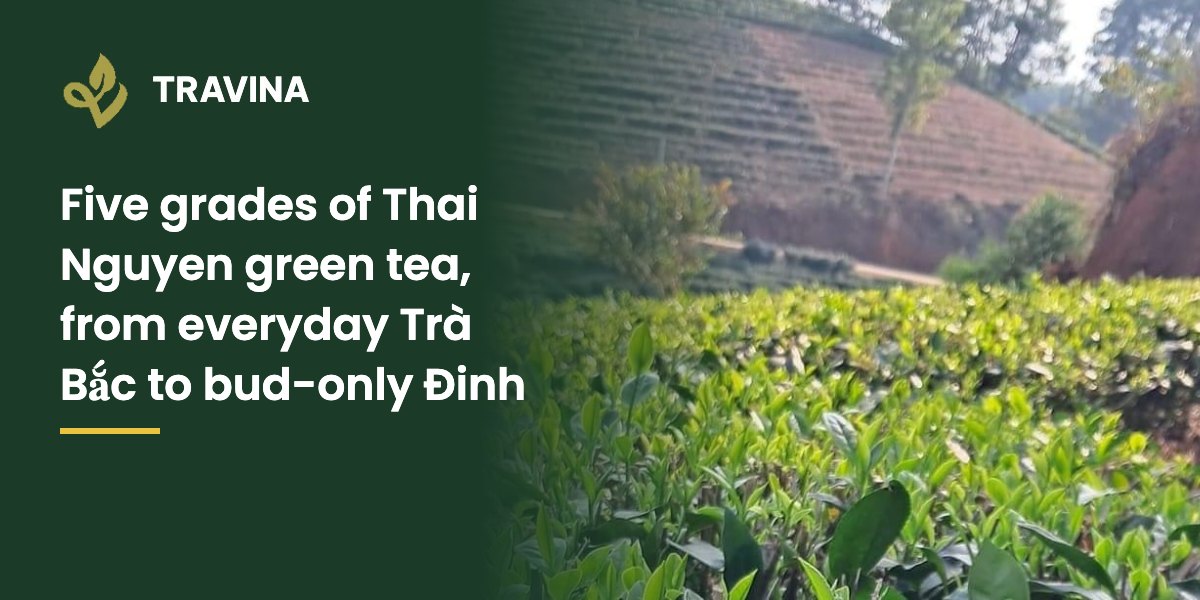
Five grades of Thai Nguyen green tea, from everyday Trà Bắc to bud-only Đinh
Five Thai Nguyen green tea grades for buyers: Trà Bắc, Đặc Sản, Móc Câu, Nõn Tôm and Đinh, with plucking standard, leaf, liquor, taste and which suits HoReCa, retail and gifts.
Details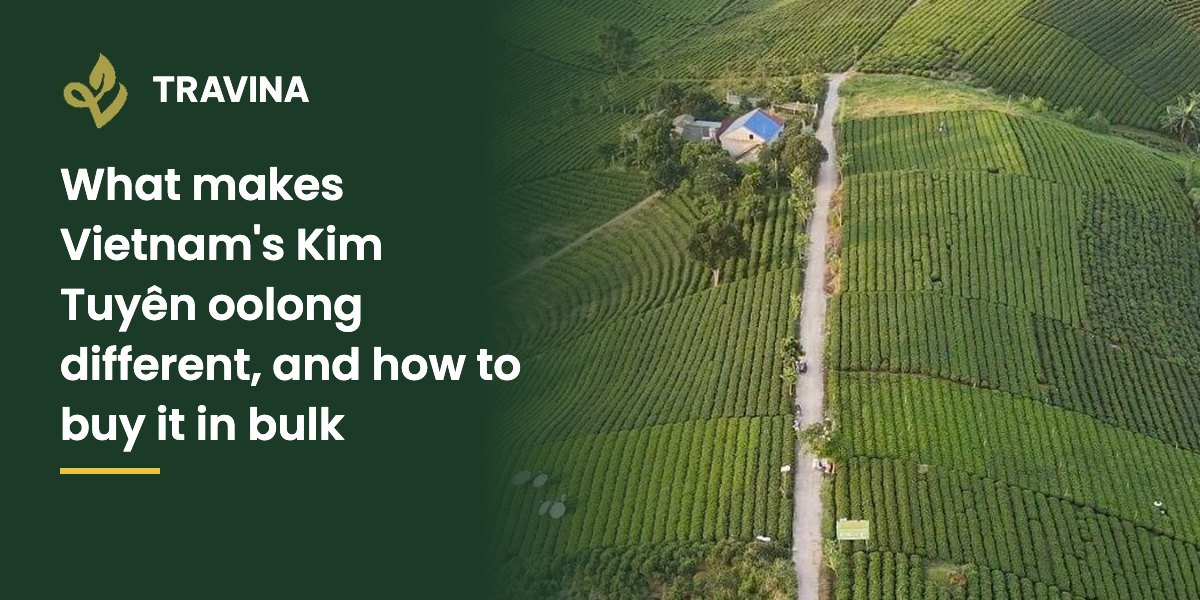
Tips and Secrets For Enjoying Tea
What makes Vietnam’s Kim Tuyên oolong different, and how to buy it in bulk
What Kim Tuyên (Jin Xuan) oolong is, where Vietnam grows it, the oxidation ranges buyers use and the bulk specs to agree, plus samples of Ô Long Đông Tam Đảo from La Bằng.
Details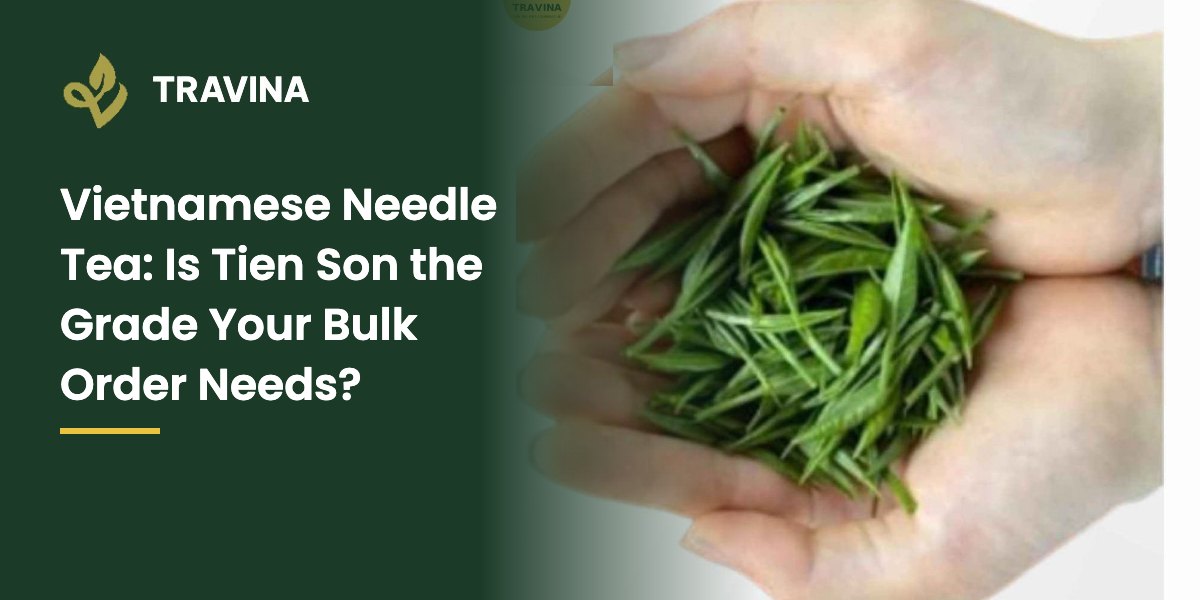
Tips and Secrets For Enjoying Tea
Vietnamese Needle Tea: Is Tien Son the Grade Your Bulk Order Needs?
Vietnamese needle tea made from the single unopened bud: how Tien Son, one grade below Tien Vua, differs in feeding, pickings per year and body, and why buyers use it for volume and private label.
Details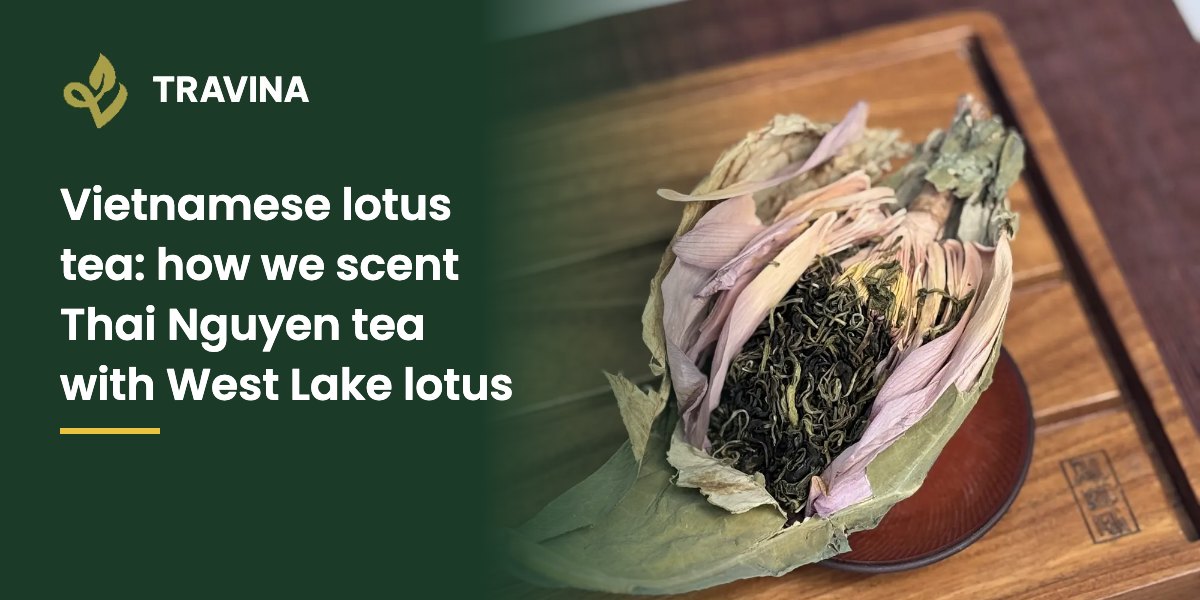
Tips and Secrets For Enjoying Tea
Vietnamese lotus tea: how we scent Thai Nguyen tea with West Lake lotus
How TRAVINA scents Thai Nguyen tea with West Lake lotus in Hanoi: whole-flower vs lotus-rice methods, the short May–July season, aroma and shelf life, gift packs and how importers book.
Details
Tips and Secrets For Enjoying Tea
What do scientists find in Vietnamese tea leaves? Catechins, caffeine and genetic diversity
Five peer-reviewed studies on Vietnamese tea: wide variation in caffeine and catechins, green and purple midland tea, wild versus cultivated teas, and high genetic diversity in Shan trees. Chemistry and genetics only.
Details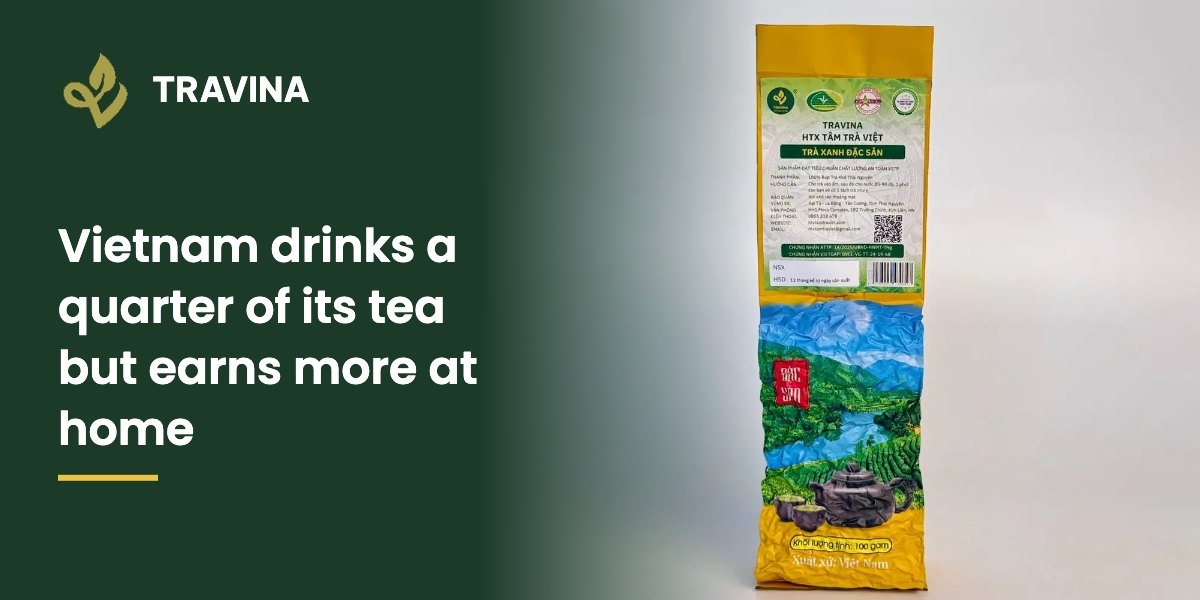
Tips and Secrets For Enjoying Tea
Vietnam drinks a quarter of its tea but earns more at home. Why?
In 2022 Vietnam sold about 48,000 tonnes of tea at home for about 325 million USD and exported 146,000 tonnes for 237 million USD. How a quarter of the volume earns more, and what it means for importers.
Details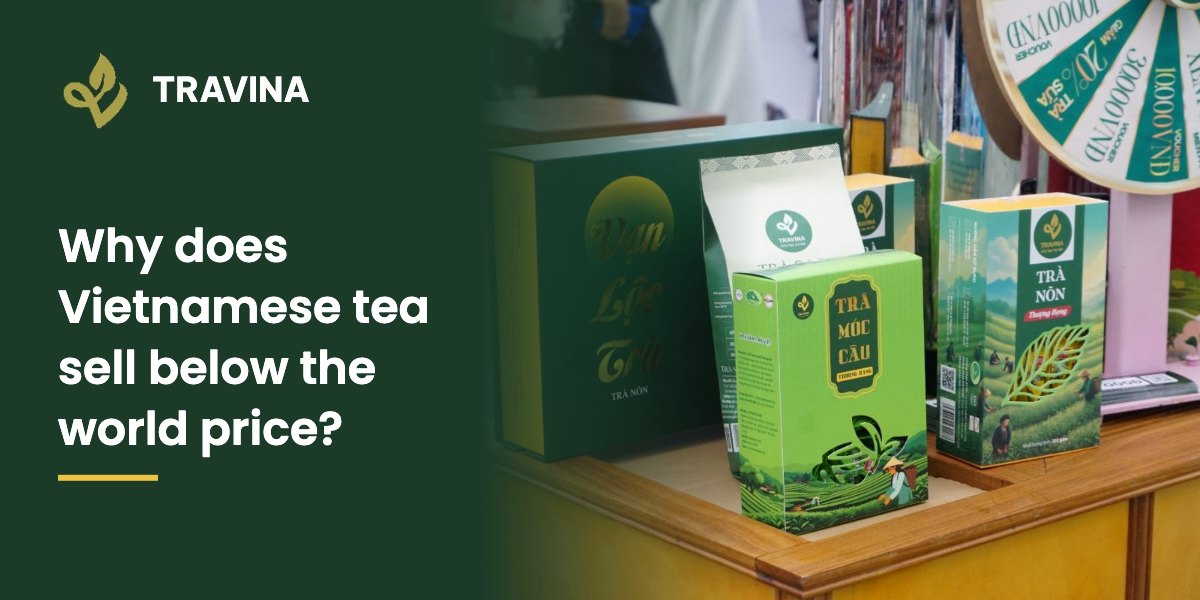
Tips and Secrets For Enjoying Tea
Why does Vietnamese tea sell below the world average price?
Vietnamese tea exports average about 1.7 USD/kg, 55–65% of the world average, while the same tea retails for 7–20 USD/kg at home. Five reasons for the gap and what is closing it.
Details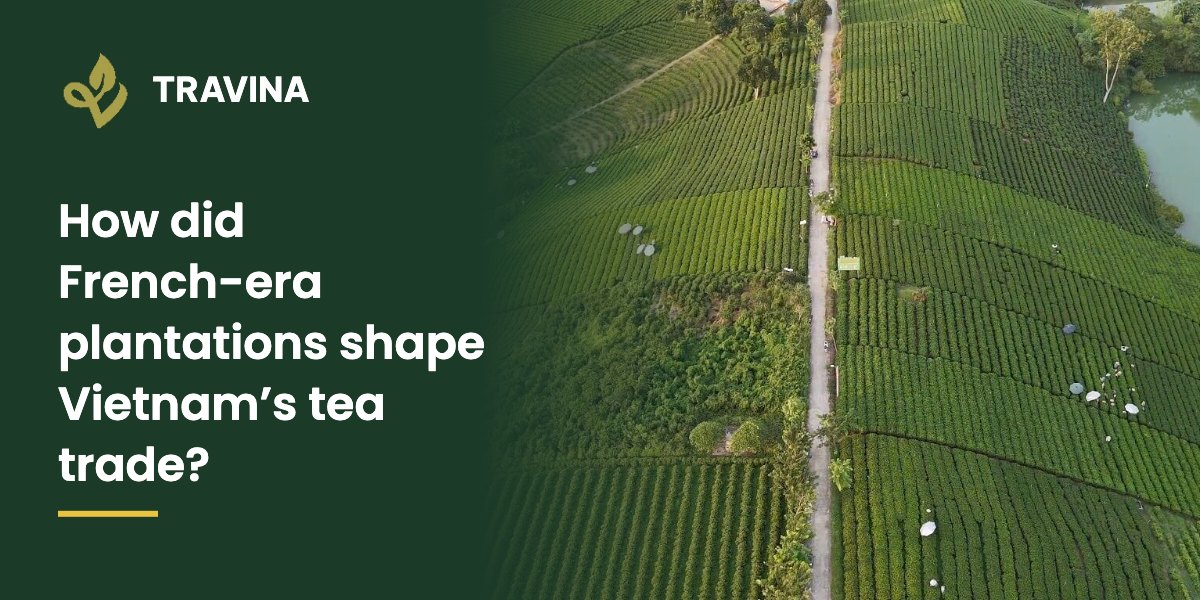
Tips and Secrets For Enjoying Tea
How did French-era plantations shape Vietnam’s tea trade?
Plantations from 1884, research stations in 1917–1918, Indochina’s first tea factory in 1925, Paris buyers and the Bao Loc black tea industry: how the colonial period shaped Vietnam’s tea trade.
DetailsTRAVINA Journal: Vietnamese Tea, Origins and Trade
Five grades of Thai Nguyen green tea, from everyday Trà Bắc to bud-only Đinh
Five Thai Nguyen green tea grades for buyers: Trà Bắc, Đặc Sản, Móc Câu, Nõn Tôm and Đinh, with plucking standard, leaf, liquor, taste and which suits HoReCa, retail and gifts.
Details What makes Vietnam’s Kim Tuyên oolong different, and how to buy it in bulk
What Kim Tuyên (Jin Xuan) oolong is, where Vietnam grows it, the oxidation ranges buyers use and the bulk specs to agree, plus samples of Ô Long Đông Tam Đảo from La Bằng.
Details Vietnamese Needle Tea: Is Tien Son the Grade Your Bulk Order Needs?
Vietnamese needle tea made from the single unopened bud: how Tien Son, one grade below Tien Vua, differs in feeding, pickings per year and body, and why buyers use it for volume and private label.
Details Vietnamese lotus tea: how we scent Thai Nguyen tea with West Lake lotus
How TRAVINA scents Thai Nguyen tea with West Lake lotus in Hanoi: whole-flower vs lotus-rice methods, the short May–July season, aroma and shelf life, gift packs and how importers book.
Details What do scientists find in Vietnamese tea leaves? Catechins, caffeine and genetic diversity
Five peer-reviewed studies on Vietnamese tea: wide variation in caffeine and catechins, green and purple midland tea, wild versus cultivated teas, and high genetic diversity in Shan trees. Chemistry and genetics only.
Details Vietnam drinks a quarter of its tea but earns more at home. Why?
In 2022 Vietnam sold about 48,000 tonnes of tea at home for about 325 million USD and exported 146,000 tonnes for 237 million USD. How a quarter of the volume earns more, and what it means for importers.
Details Why does Vietnamese tea sell below the world average price?
Vietnamese tea exports average about 1.7 USD/kg, 55–65% of the world average, while the same tea retails for 7–20 USD/kg at home. Five reasons for the gap and what is closing it.
Details How did French-era plantations shape Vietnam’s tea trade?
Plantations from 1884, research stations in 1917–1918, Indochina’s first tea factory in 1925, Paris buyers and the Bao Loc black tea industry: how the colonial period shaped Vietnam’s tea trade.
Details Five grades of Thai Nguyen green tea, from everyday Trà Bắc to bud-only Đinh
Five Thai Nguyen green tea grades for buyers: Trà Bắc, Đặc Sản, Móc Câu, Nõn Tôm and Đinh, with plucking standard, leaf, liquor, taste and which suits HoReCa, retail and gifts.
Details What makes Vietnam’s Kim Tuyên oolong different, and how to buy it in bulk
What Kim Tuyên (Jin Xuan) oolong is, where Vietnam grows it, the oxidation ranges buyers use and the bulk specs to agree, plus samples of Ô Long Đông Tam Đảo from La Bằng.
Details Vietnamese Needle Tea: Is Tien Son the Grade Your Bulk Order Needs?
Vietnamese needle tea made from the single unopened bud: how Tien Son, one grade below Tien Vua, differs in feeding, pickings per year and body, and why buyers use it for volume and private label.
Details Vietnamese lotus tea: how we scent Thai Nguyen tea with West Lake lotus
How TRAVINA scents Thai Nguyen tea with West Lake lotus in Hanoi: whole-flower vs lotus-rice methods, the short May–July season, aroma and shelf life, gift packs and how importers book.
Details What do scientists find in Vietnamese tea leaves? Catechins, caffeine and genetic diversity
Five peer-reviewed studies on Vietnamese tea: wide variation in caffeine and catechins, green and purple midland tea, wild versus cultivated teas, and high genetic diversity in Shan trees. Chemistry and genetics only.
Details Vietnam drinks a quarter of its tea but earns more at home. Why?
In 2022 Vietnam sold about 48,000 tonnes of tea at home for about 325 million USD and exported 146,000 tonnes for 237 million USD. How a quarter of the volume earns more, and what it means for importers.
Details Why does Vietnamese tea sell below the world average price?
Vietnamese tea exports average about 1.7 USD/kg, 55–65% of the world average, while the same tea retails for 7–20 USD/kg at home. Five reasons for the gap and what is closing it.
Details How did French-era plantations shape Vietnam’s tea trade?
Plantations from 1884, research stations in 1917–1918, Indochina’s first tea factory in 1925, Paris buyers and the Bao Loc black tea industry: how the colonial period shaped Vietnam’s tea trade.
Details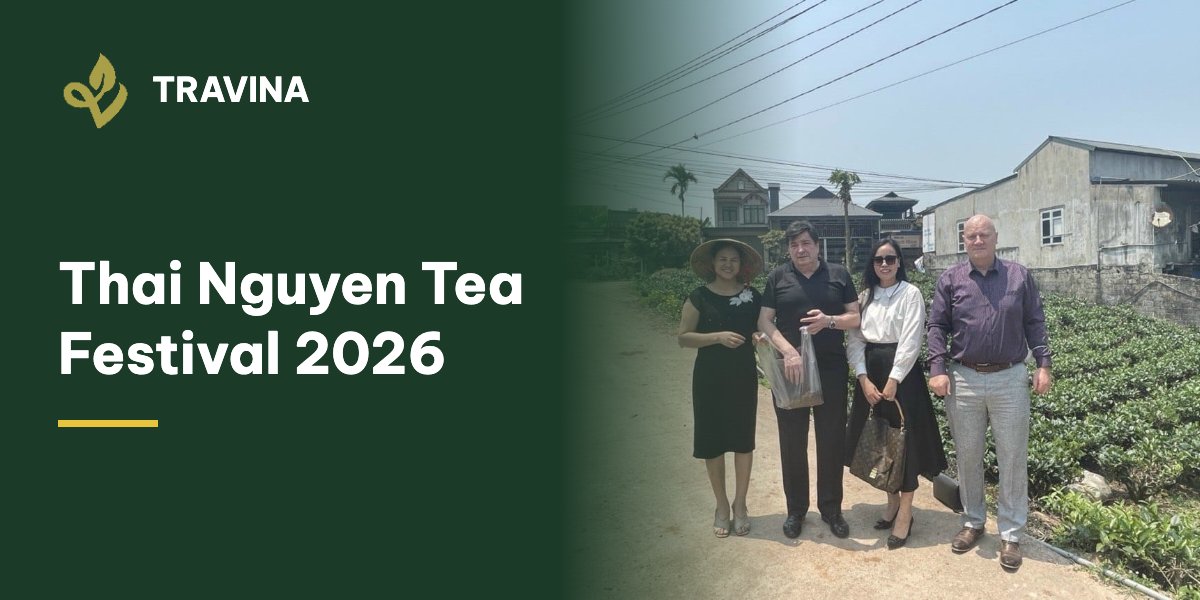
Thai Nguyen International Tea Festival 2026 (30 Oct–7 Nov): meet TRAVINA, visit La Bang
Thai Nguyen International Tea Festival, 30 Oct–7 Nov 2026: main programme, tea areas, and how to taste TRAVINA tea for free and visit our La Bang gardens.
Details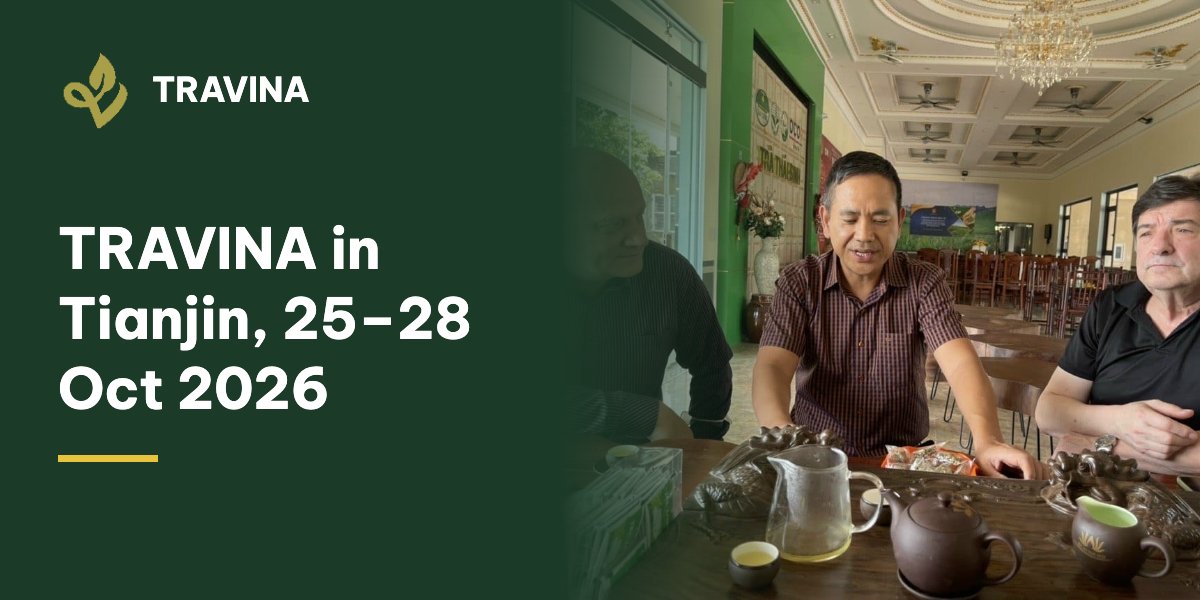
TRAVINA at Tianjin, China, 25–28 Oct 2026: what we bring and how to book a meeting
Meet TRAVINA in Tianjin, 25–28 Oct 2026, at the Vietnam Cooperative Alliance stand: lotus tea, single-bud tea and bud tea. Book a tasting or a meeting.
Details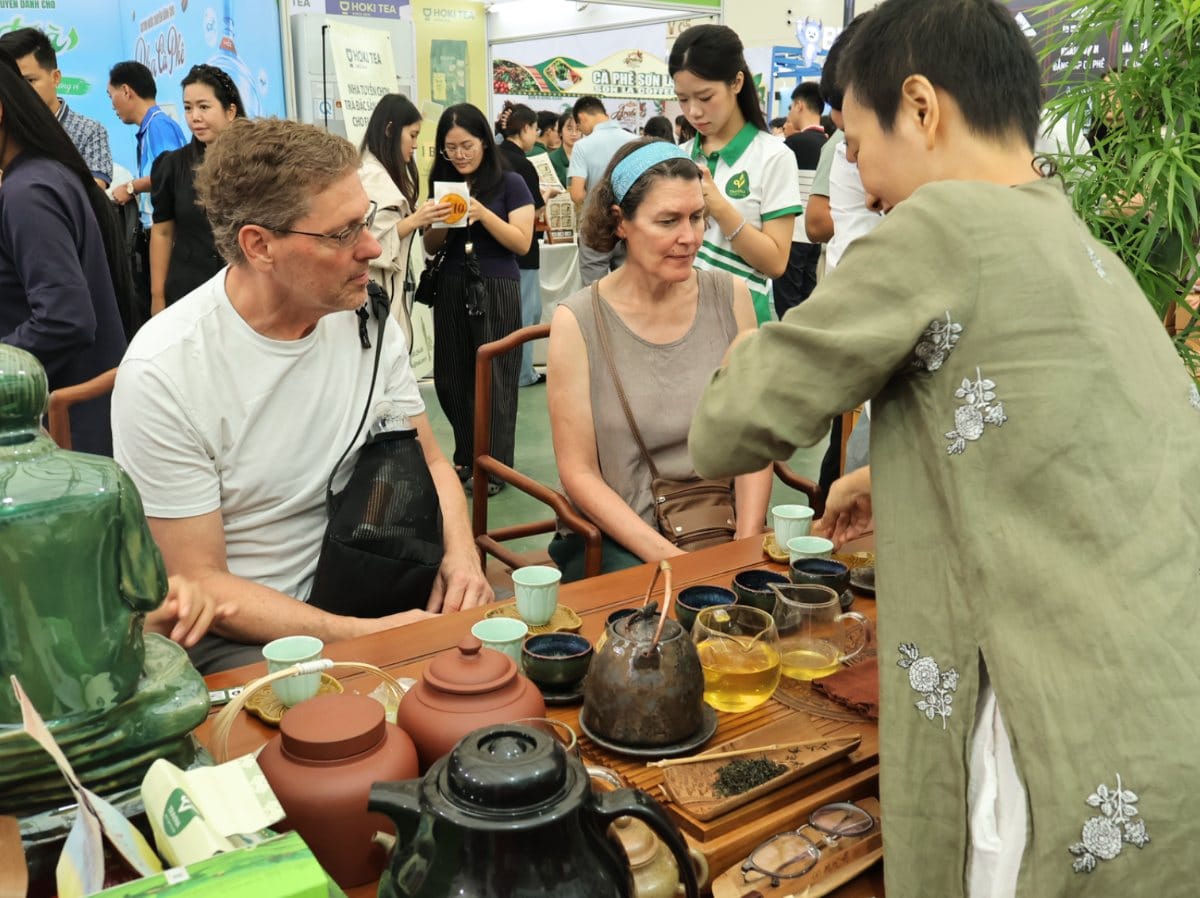
Tea Show Hanoi 2026: Inside Travina’s Thai Nguyen Tea Booth
Travina at Tea Show Hanoi 2026: hand-roasted Thai Nguyen green tea, free tastings and a tea artisan at the booth. Meet us for wholesale and export samples.
Details
Ancient Tea Trees in Thai Nguyen: 2 Wild Stands Over 200 Years Old
Ancient tea trees grow on Nui Bong and the Tam Dao summit in Dai Tu, Thai Nguyen. Heights, age, variety, conservation, and why we do not sell their leaf.
Details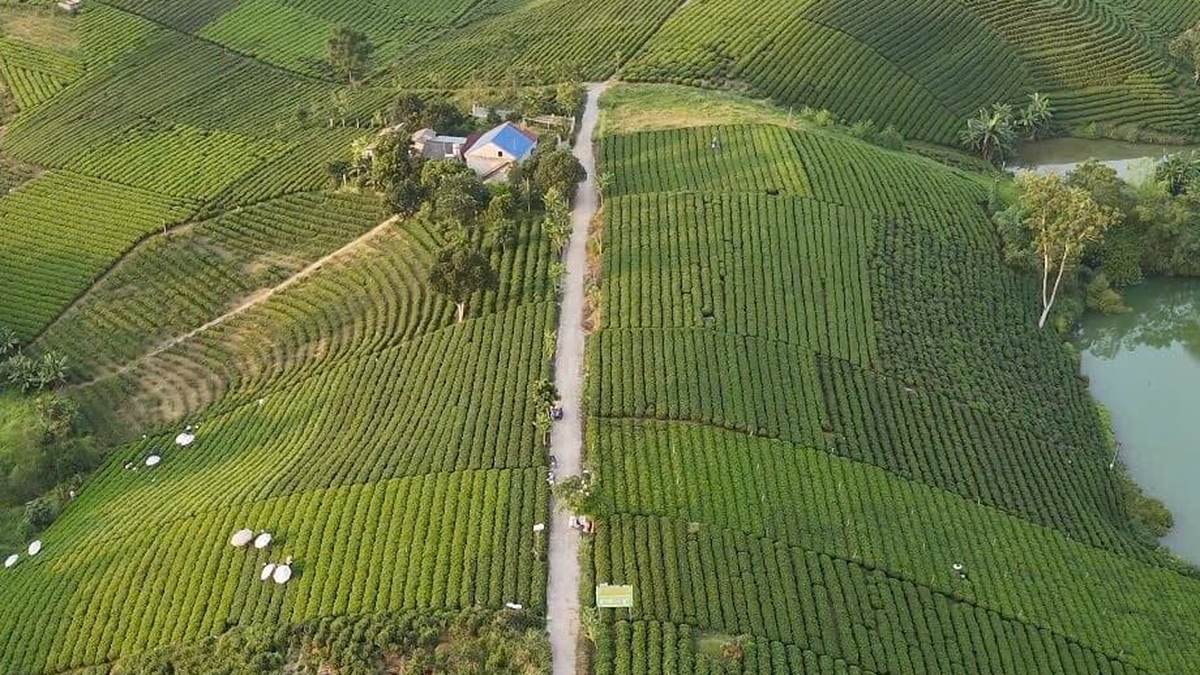
Bulk Tea Export & Private Label, from Thai Nguyen
Why a cooperative in Thai Nguyen exports tea TRAVINA is the export brand of Tam Tra Viet Cooperative: 90 member households, two production facilities in Dai Tu and La Bang, Thai Nguyen province, working 40.5 hectares of tea gardens under
Details
Vietnamese Matcha from Thai Nguyen: Where TRAVINA Stands, and Who We Are Looking For
A Thai Nguyen cooperative has milled its first matcha lots from its own 6 Không blocks. This is what exists, what does not, what to ask any new matcha origin, and who TRAVINA wants to work with.
Details
The 6 Không Standard: What We Do Not Put on Our Tea, and How You Can Check
TRAVINA bans six inputs from the tea garden. What each prohibition is, what replaces it, why we are not organic certified, and how a buyer verifies the claim with laboratory reports.
Details
The Ninety Households Who Actually Grow TRAVINA Tea
Who grows TRAVINA tea: 90 member households in Dai Tu and La Bang, 62 per cent from ethnic minority communities. How leaf is priced and graded, and what a due-diligence buyer can ask for.
Details