Short version: we are a tea cooperative in Dai Tu, Thai Nguyen. We have shaded blocks under our own 6 Không field rules, we have milled our first trial batches of matcha, and we are now looking for partners — millers, co-packers and importers — who want to build a second Vietnamese matcha origin properly rather than quickly. This page says exactly what we have and what we do not.
1. Why a Thai Nguyen cooperative is milling matcha at all
Anyone buying matcha in 2026 already knows the shape of the problem. Japanese growers have shifted leaf from sencha into tencha to chase matcha demand, and the auction prices have moved accordingly: published trade reporting for the 2026 season puts tencha at roughly double its 2025 level, while sencha rose about a fifth on a 2025 figure that was itself around a third above 2024. Traded sencha volume fell roughly a tenth. The second-order effect is the one buyers complain about most — powdered sencha being sold as matcha, duller in colour and coarser on the palate, with the brand risk landing on whoever put it on the shelf.
That is the market context. It is not, on its own, a reason to trust a new origin. It is only a reason to look at one.
2. What we have today, and what we do not
We would rather lose an enquiry than win one on a claim we cannot document.
What exists now:
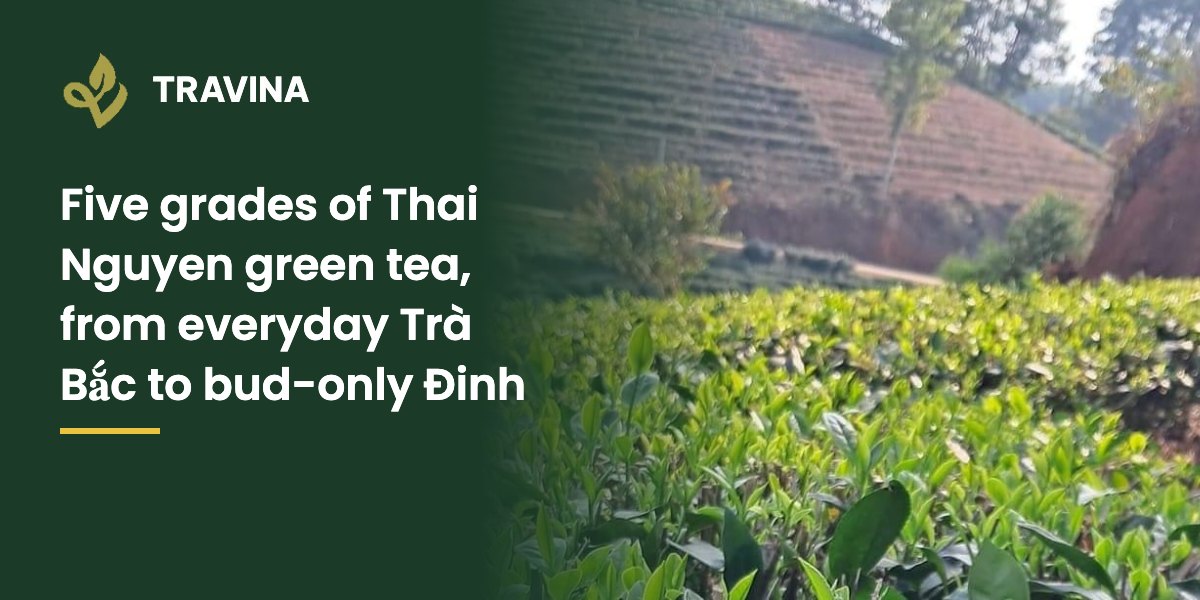
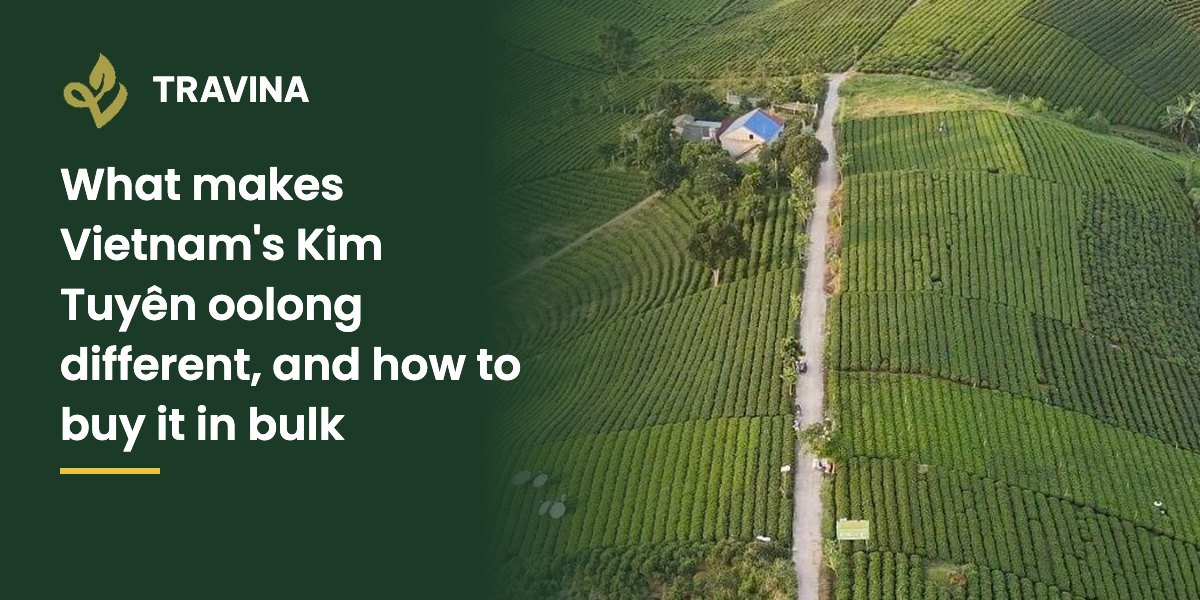
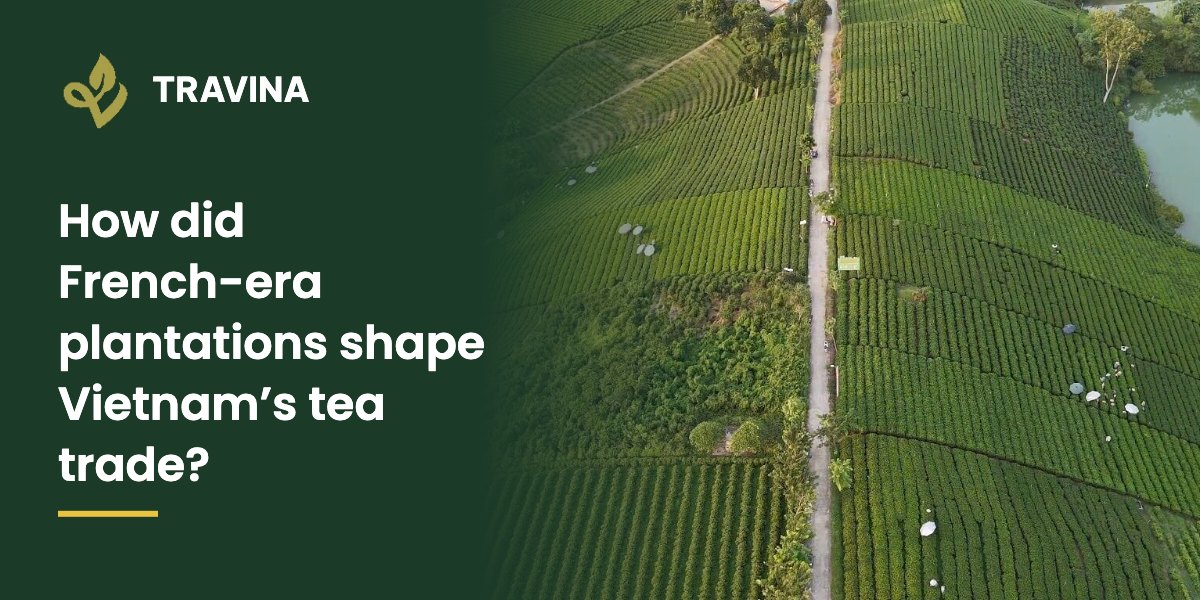
- Shaded blocks inside our existing growing area at La Bang and Hoang Nong, run under the 6 Không field rules we already publish and are already judged on.
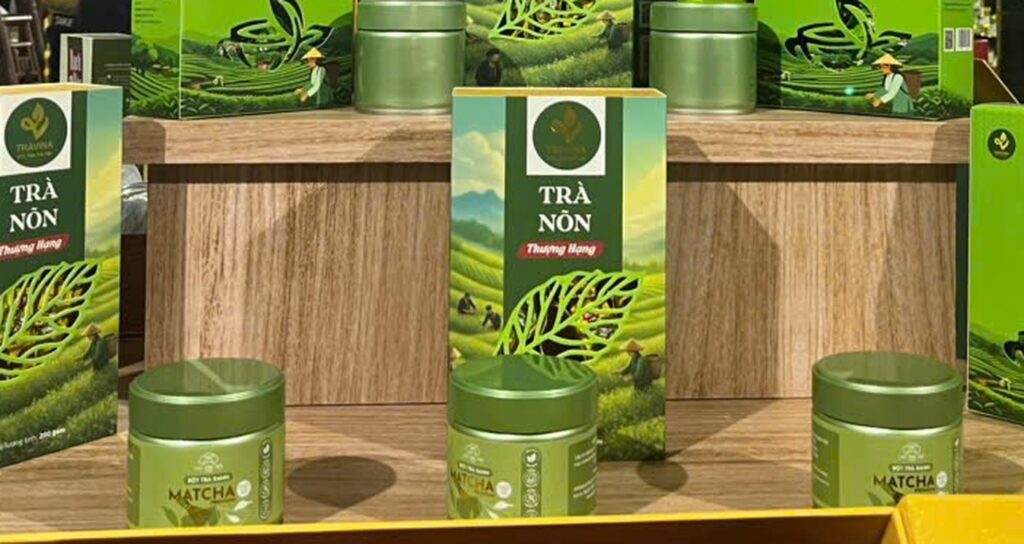
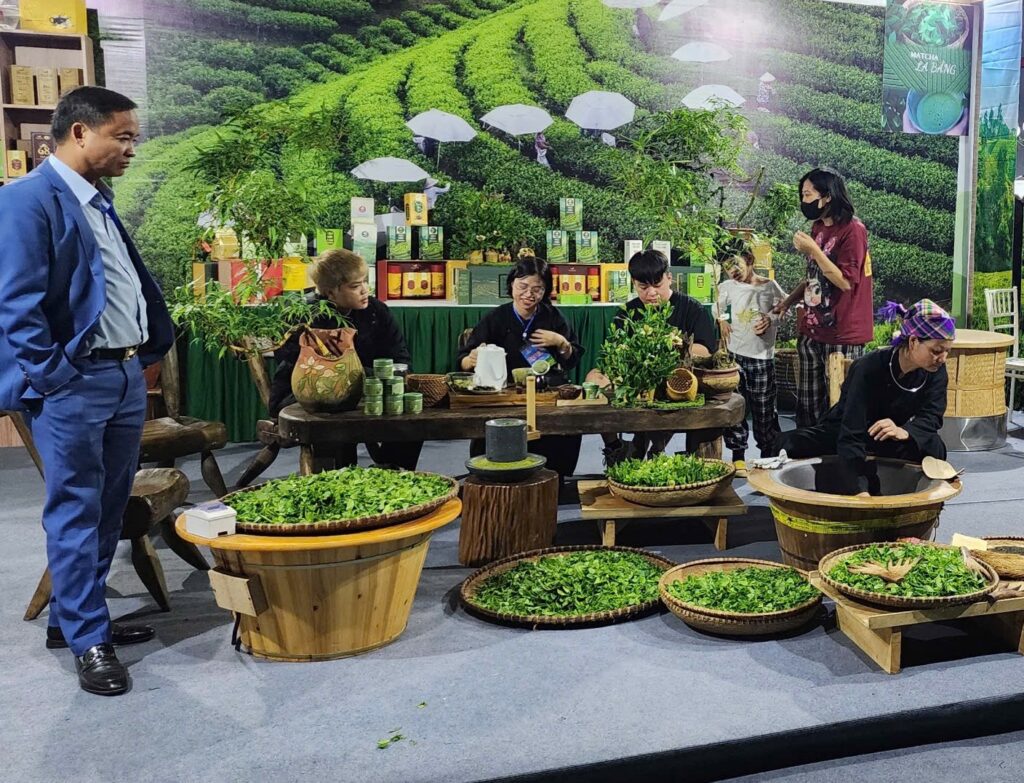
- First trial lots milled and tasted. We have shown them publicly, under our own name, at the Thai Nguyen tea festival.
- A processing facility certified to ISO 22000:2018 (No. GOODVN91025.FSMS) and a food safety certificate from the provincial authority (No. 14/2025/UBND-NNMT-TNg), both published as scans on this site.
- A cooperative with 90 member households across 40.5 hectares, of which 17 households and 9.7 hectares are VietGAP certified under code DVCL-VG-TT-24-19-68.
What does not exist yet, and we will not pretend otherwise:
- No commercial-scale monthly volume. We are at trial-batch stage.
- No full analytical dossier on the matcha itself — particle size distribution, CIELAB colour, L-theanine, chlorophyll, moisture — measured lot by lot to the standard an importer should demand. We test our green tea through an accredited laboratory; the matcha programme has not reached that discipline yet.
- No stone mills. Our first lots were milled on the equipment available to us, which is a real limitation on particle size and on colour, and we say so.
- No organic certification. We have never claimed one, for any of our teas.
3. The ground it comes from
Matcha is drunk whole. Every milligram of what was on the leaf ends up in the cup, which is why heavy metals and residue limits are stricter in practice for matcha than for leaf tea an importer will brew and discard. That makes the field record the first question, not the last.
Ours is on this site already and does not change for the matcha programme: no herbicide, no growth stimulant, no chemical schedule spraying, grass left between the rows, and finished lots tested at an accredited laboratory. It is a production commitment, not a certification, and we describe it that way everywhere.
4. Vietnamese matcha is not Japanese matcha
We are not going to write the sentence that every new origin writes. Uji and Nishio have four centuries of cultivar selection, shading practice and milling behind them. We have Thai Nguyen soil, a midland (Trung Du) variety base, hill shade and a cooperative that can trace a lot back to the household that picked it.
What that produces is a different cup, and it should be sold as a different cup. Any buyer we work with will get the origin stated plainly on the documentation and on the pack. If a partner wants to relabel Vietnamese matcha as Japanese, that is the one conversation we will end early.

5. What to ask any new matcha origin, including us
If you are evaluating a supplier you have not bought from before, these are the questions that separate a real programme from a re-bagged one. We publish them because we would rather be measured against them than against a marketing word.
- Is it tencha or is it powdered sencha? Ask how the leaf was shaded, for how long, and what happened between plucking and milling. This single question filters most of the market.
- Particle size distribution, not “fine”. Ask for a D50 figure and the method. Ask what mill produced it.
- Colour as a number. A CIELAB a* value, measured, beats any adjective.
- Moisture, and where it was measured. At mill, or at packing, or on arrival — they are different numbers.
- A certificate of analysis from an ISO/IEC 17025 accredited laboratory, for the lot being offered, not a sample lot from last season.
- Heavy metals and residues against your destination market’s limits, not the origin country’s. EU and Japanese limits differ by orders of magnitude on some compounds.
- Harvest year and milling date on the documentation. Matcha colour is a clock.
- Who answers for the lot. A named unit, with a registration number you can check.
On several of these we cannot yet give you a complete answer for our matcha. That is the honest state of the programme, and it is precisely why this page exists.
6. Who we are looking for
TRAVINA is opening the matcha programme to partners in good faith. Specifically:
- Millers and processors with matcha-grade milling capability who want a Vietnamese raw-material base with a documented field record behind it.
- Importers and brand owners willing to co-develop a specification with us over a season rather than ask for a price list on day one — and to test the first lots properly before anyone commits volume.
- Technical partners in shading practice, tencha handling and analytical testing. We will pay for expertise and we will credit it.
- Buyers who want a second origin on the sheet as a hedge, and who are comfortable saying on their own packaging that it is Vietnamese.
What we bring to that is not volume. It is a growing area we control, a field standard we already publish and get audited on, a certified processing facility, and a cooperative structure where the person who answers for the tea is the person who will hand it on to the next generation.
If what you actually want is not a finished lot but a hand in growing it: we have 23 hectares in La Bang – Dai Tu that are not yet committed to any buyer, and we would rather plant them to a partner’s actual specification than guess at one ourselves. That can mean cultivar selection, shading regime and picking calendar built around your target sencha or tencha profile from the start, funded as a standing order against future harvests or as a direct investment in a dedicated block. No partner yet means no deadline on the offer — we keep developing that land to our own standard either way, and would rather it end up shaped by someone who has already thought hard about matcha than by us guessing alone.

7. Talk to us
Write to admin.travina@gmail.com or call +84 855 318 678. For export enquiries specifically, Mrs Thao is on +84 888 199 628.
Tell us what you would need to see before you would take a first trial lot seriously. That is the most useful thing you can send us at this stage, and we will answer it straight.