Viet Nam is the fifth largest tea exporter in the world and the seventh largest producer, and its tea reaches more than seventy countries. It also sells that tea for roughly 65 per cent of the world average price. Both of those sentences are true at the same time, and the space between them is the most interesting thing about Vietnamese tea right now.
This page sets out where the tea actually grows, what the export figures say, why the price gap exists, and where a cooperative like ours fits. If you are sourcing tea and want to skip to that part, it is near the bottom.
Where tea grows in Viet Nam
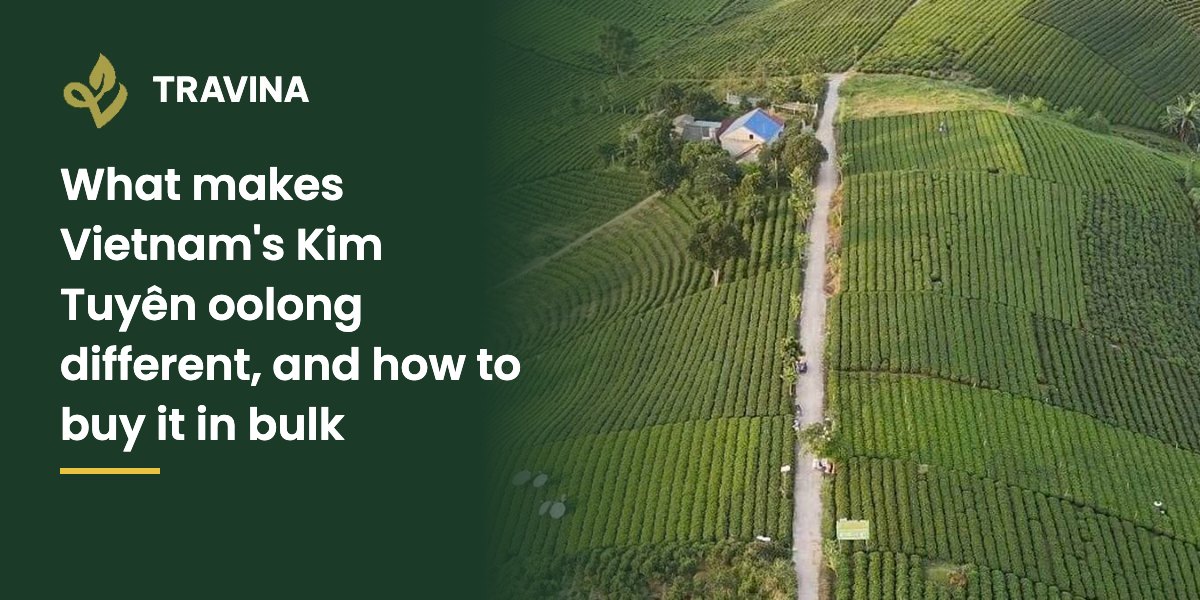
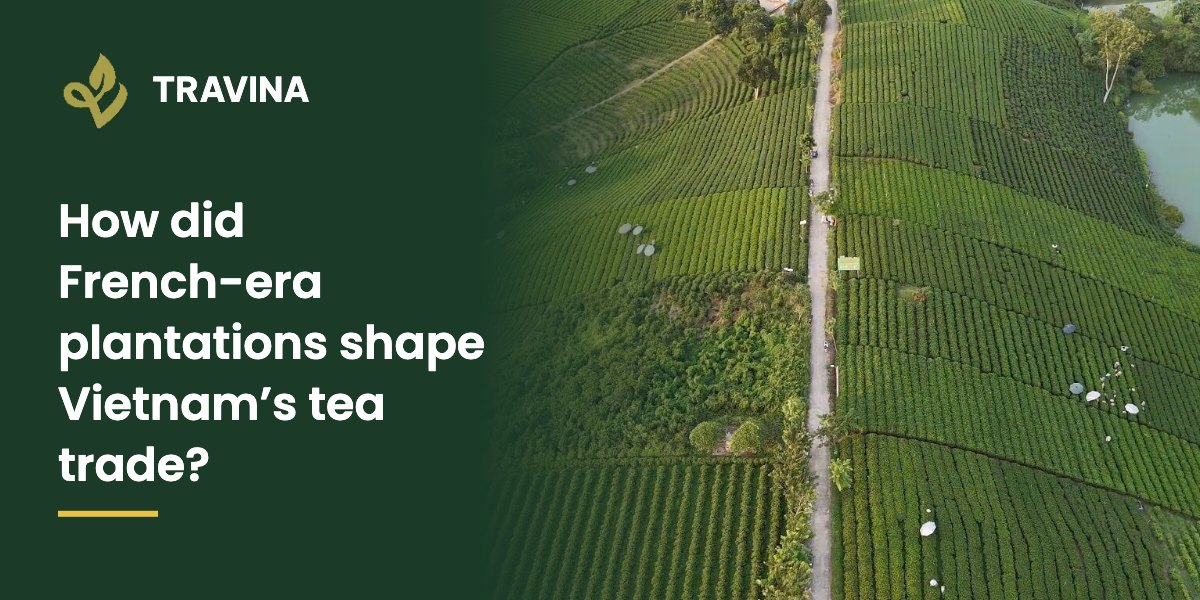
Tea is grown on roughly 130,000 hectares across 34 provinces. Almost all of the well known growing country sits in the northern mountains, with one large exception in the Central Highlands. The map below marks the nine provinces that hold the best known areas, as they stand after the 2025 provincial merger.

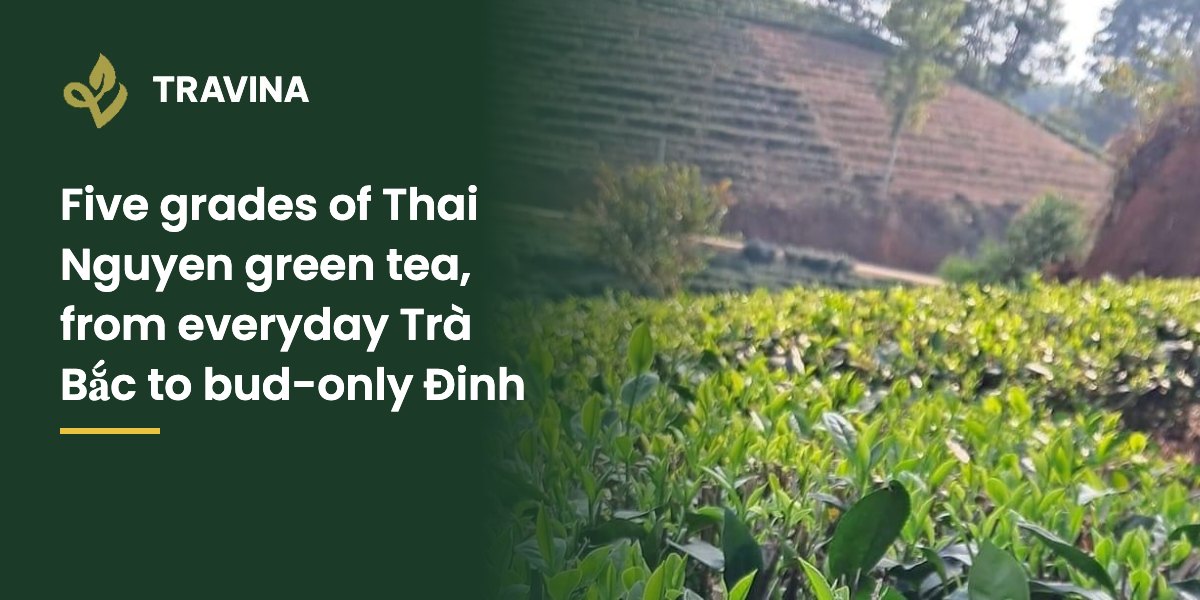
Thai Nguyen is the reference point for green tea. The province works 22,200 hectares, about 17 per cent of the national planted area, and brings in around 272,000 tonnes of fresh leaf a year. Lam Dong, in the south, holds about 26,000 hectares and is the centre for oolong and for the B’Lao style. Tuyen Quang (the former Ha Giang), Lao Cai (the former Yen Bai), Lai Chau and Dien Bien hold the old Shan tuyet trees at 800 to 1,200 metres. Son La has the Moc Chau plateau, Phu Tho is one of the oldest planting areas and a source of black tea for export, and Nghe An runs large plantations at Anh Son and Thanh Chuong.
The practical consequence for a buyer: Vietnamese tea is not one product. A Shan tuyet from a hundred-year-old tree in Lai Chau and a machine-picked plantation black tea from Nghe An share a country and almost nothing else.
What the export figures say
In 2024 Viet Nam exported 145,000 tonnes of tea worth 256 million US dollars — a rise of 25.4 per cent in volume and 27 per cent in value on the previous year. In the first five months of 2025 the country shipped 46,460 tonnes worth 76.5 million dollars.
The destinations are concentrated. Pakistan alone took about 29.7 per cent of the volume in that period, followed by China, Taiwan and the United States. Pakistan buys mostly black tea in bulk; Taiwan and China buy green and raw material for further processing.

The price gap, and what actually causes it
Vietnamese tea leaves the country at roughly 1,633 to 1,765 US dollars a tonne depending on the period, which the Ministry of Industry and Trade puts at about 65 per cent of the world average. That is not a quality verdict. It is a description of what is being sold and how.
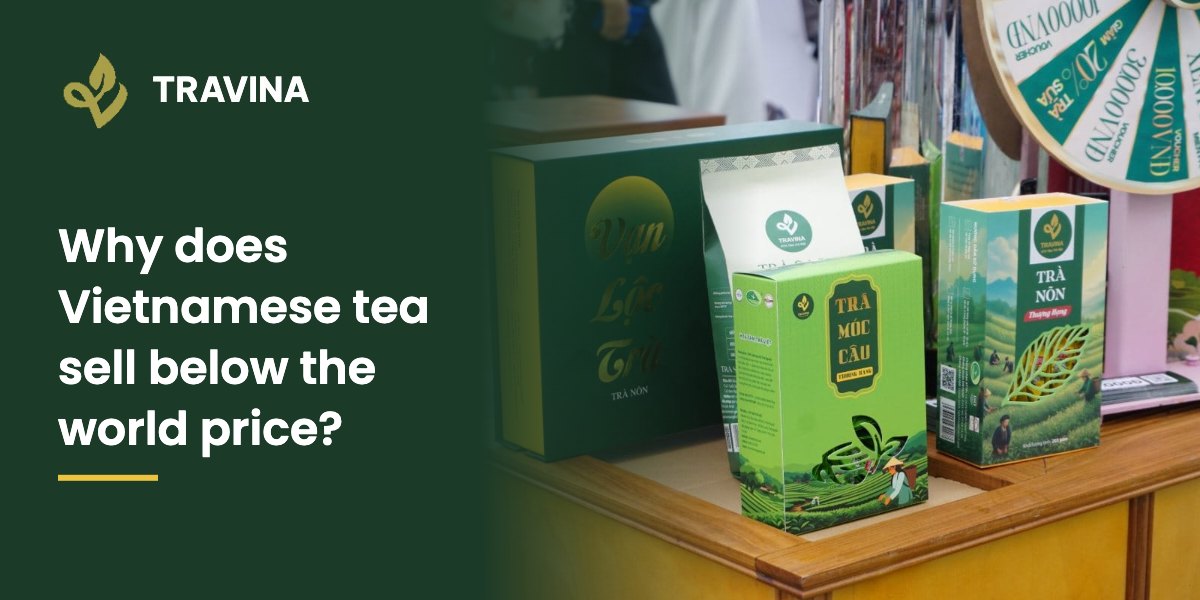
- Most of it leaves as raw material. Bulk sacks, blended at destination, sold under someone else’s name. Vietnamese authorities themselves note that most well known Vietnamese tea reaches the final consumer without carrying Vietnamese tea branding.
- Little deep processing. The value added by grading, scenting, shaping and packaging is captured outside the country.
- Thin traceability at origin. When a lot cannot be traced to a plot and a picking day, it can only be priced as a commodity.
The national response is already written into policy: the target is 11,000 hectares of organic tea and 34,500 hectares of specialty tea by 2030, concentrated in the northern provinces. In other words, the country is trying to move from tonnage to identifiable lots.
What that means if you are buying
The gap is an opportunity, but only where a supplier can answer the questions that justify a higher price: which plot, which picking day, which grade standard, what certification, and what happens to the tea between the workshop and the container.

Where TRAVINA fits
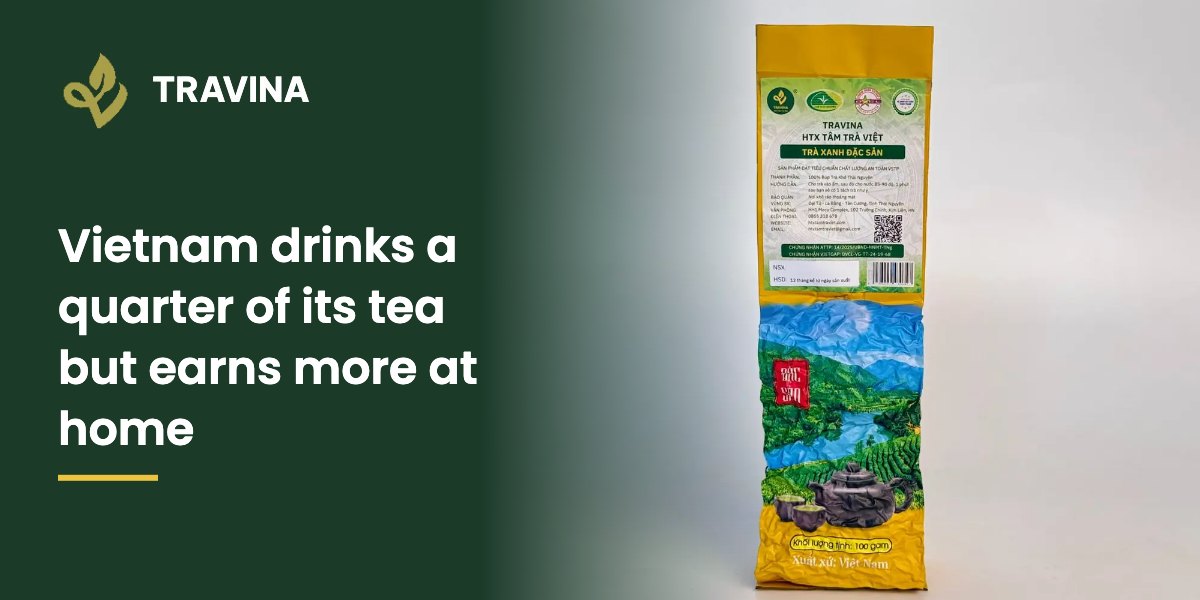
We are Tam Tra Viet Cooperative, registered in Viet Nam under number 4601620037, trading as TRAVINA. We are a producer cooperative, not a trading house: the members who own it are the households who grow the leaf.
- 40.5 hectares, 90 member households in Dai Tu and La Bang, Thai Nguyen, under the Che Thai Nguyen collective mark.
- 9.7 hectares across 17 households are VietGAP certified (No. DVCL-VG-TT-24-19-68). The rest is farmed to the same 6 Không rules and is being prepared for certification.
- Around 120 tonnes of dry tea a year, about 10 tonnes a month in season.
- Processing at our second site is certified to ISO 22000:2018 (GOODVN91025.FSMS) and holds food safety licence No. 14/2025/UBND-NNMT-TNg.
- The TRAVINA trademark is registered in Viet Nam, No. 542996, class 30.
- For larger orders we use the workshops and cold store of partner cooperatives in the province under a linkage agreement. We say which building is ours and which is a partner’s.
Every one of those documents is published as a scan of the paper itself in Every Certificate TRAVINA Holds. Nothing on this page is a claim you have to take on trust.

What we can do for a buyer
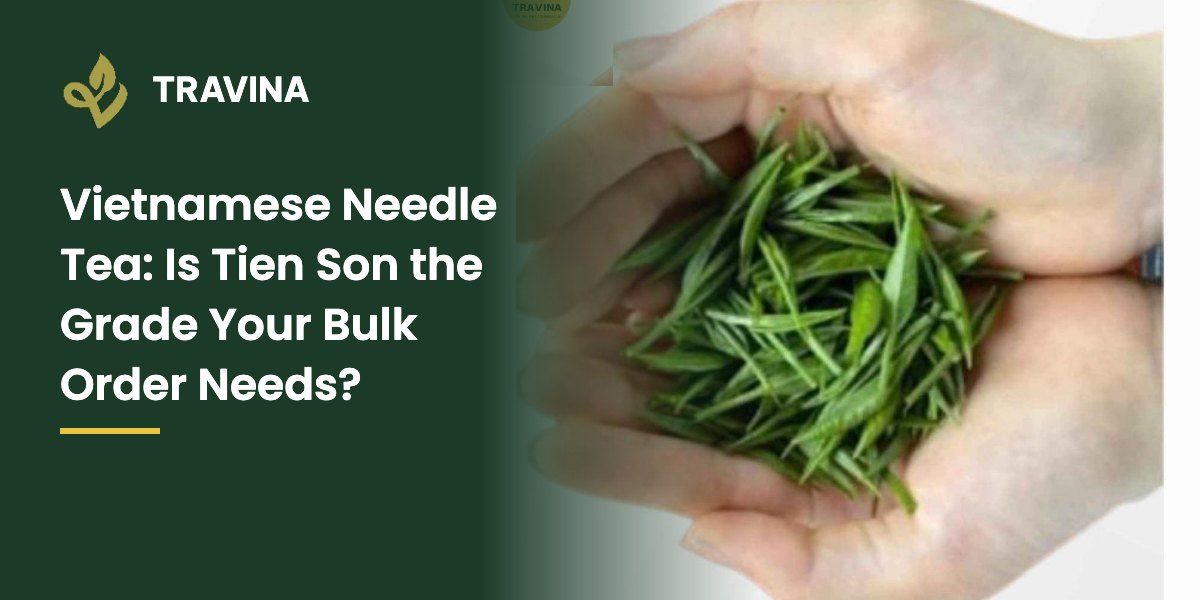
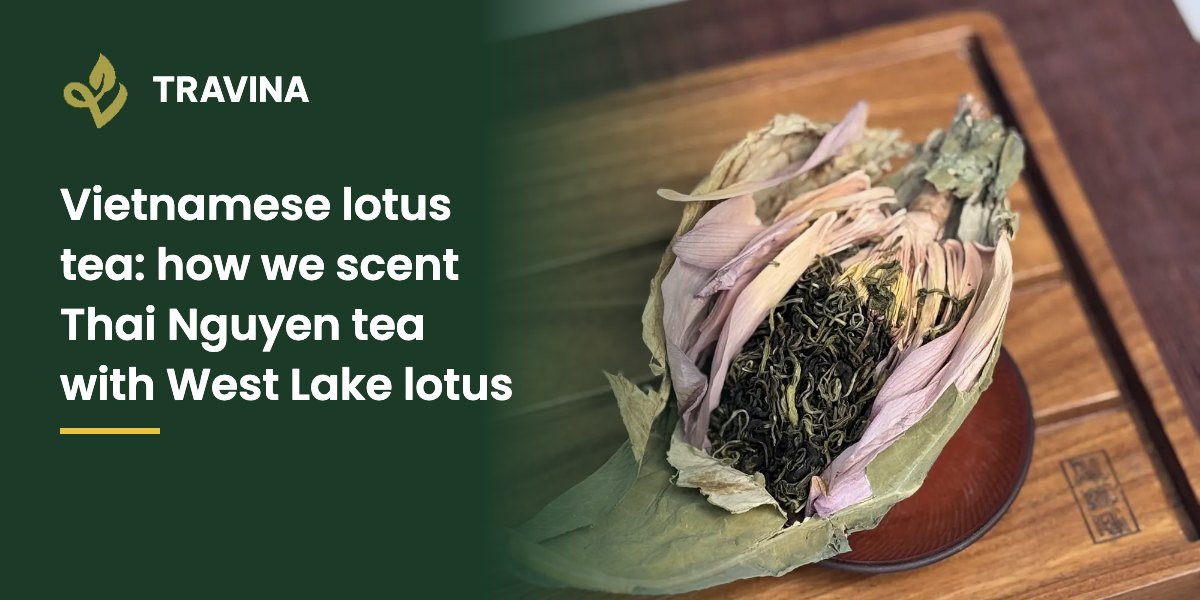
- Green tea in several grades — bud tea, Moc Cau, specialty green — plus black tea, oolong, lotus tea, matcha and white tea from the same certified line.
- Samples before any order. Tell us the grade and the volume you are working towards and we will send tea to taste, with the lot details attached.
- Private label and own packaging. The workshop packs to order; we do not require you to sell under our name.
- Lot traceability — commune, picking date, processing date, and the certificate that covers the plot.
- Cold storage before shipment, so a lot picked in April still tastes like April when it arrives.
We will not quote a headline price on a web page, because the honest answer depends on grade, volume and packaging. Send us those three things and you will get a real number.

Come and look before you commit
The gardens and the processing line are open to visitors all year, an hour and a half from Hanoi airport. You can pick the leaf, stand beside the pan while it is fired, and taste what you made: Visit our tea gardens in Thai Nguyen. The growing area and the workshops are described in detail on Origin and Factory, and if you want to see how our founder handles the tea in front of an international panel, that is in What a Tea Masters Cup Round Looks Like.
To start a conversation, write to admin.travina@gmail.com or call +84 855 318 678. Tell us the grade, the volume and the market you are selling into. We answer with samples and paperwork, in that order.
Sources for the figures on this page
Export volume and value, and the price comparison with the world average: Ministry of Industry and Trade and Vietnam Customs, reported by VnEconomy and Mekong ASEAN. World ranking and destination markets: Vietnam Tea Association. Thai Nguyen planted area and fresh leaf output: Thai Nguyen provincial reporting, August 2026. Organic and specialty targets to 2030: the national programme for key industrial crops.