Which Vietnamese tea traditions are national heritage? Two so far. In 2023 Vietnam’s Ministry of Culture, Sports and Tourism added “the knowledge of growing and processing Tan Cuong tea” in Thai Nguyen to the National List of Intangible Cultural Heritage, and in 2024 it added “the traditional craft of scenting lotus tea in Quang An” in Hanoi. Separately, several stands of old tea trees have been recognised as “Vietnam Heritage Trees” by a conservation association. This article explains what each listing covers, what it does not, and why the difference matters to buyers.
Heritage listings related to tea
| Listing | Who decides | Year and decision | What it covers |
|---|---|---|---|
| Knowledge of growing and processing tea in Tan Cuong, Thai Nguyen | Ministry of Culture, Sports and Tourism | Decision 240/QĐ-BVHTTDL, 14 February 2023 | The know-how of a tea-growing community: cultivation, picking and hand processing |
| Traditional craft of scenting lotus tea, Quang An, Hanoi | Ministry of Culture, Sports and Tourism | Decision 2316/QĐ-BVHTTDL, announced August 2024 | The craft of scenting green tea with lotus anthers from West Lake flowers |
| Vietnam Heritage Trees (several ancient tea stands) | Vietnam Association for Conservation of Nature and Environment (VACNE) | 2015–2023, by stand | Old tea trees, e.g. 400 at Suoi Giang, 220 at Cao Bo, 105 at Hoang Thu Pho |
Thai Nguyen: knowledge of growing and processing tea
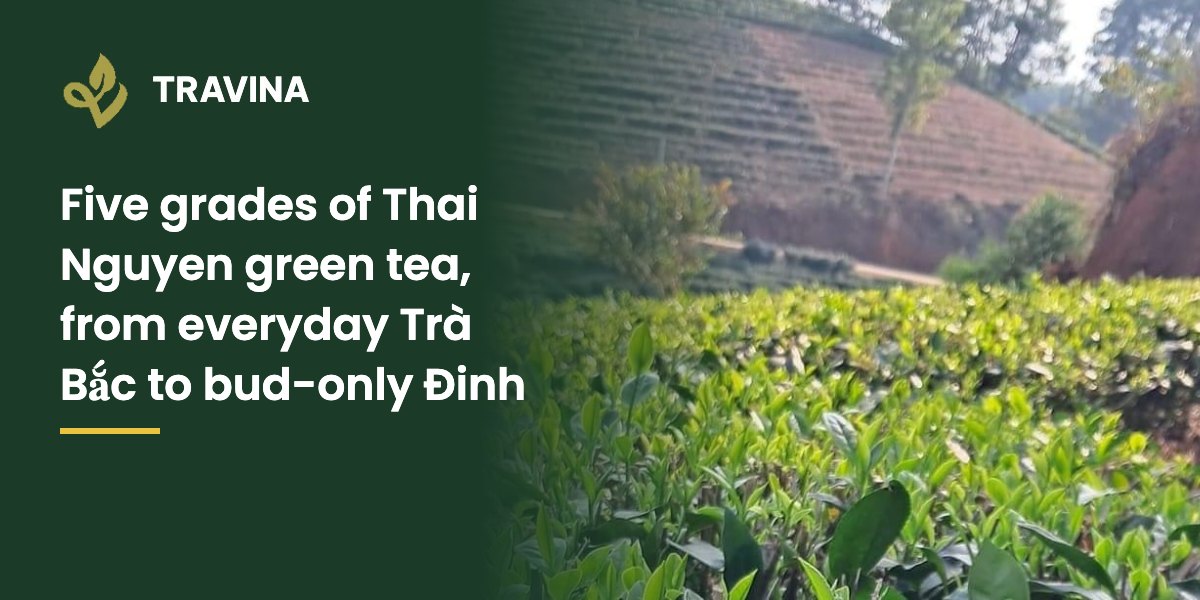
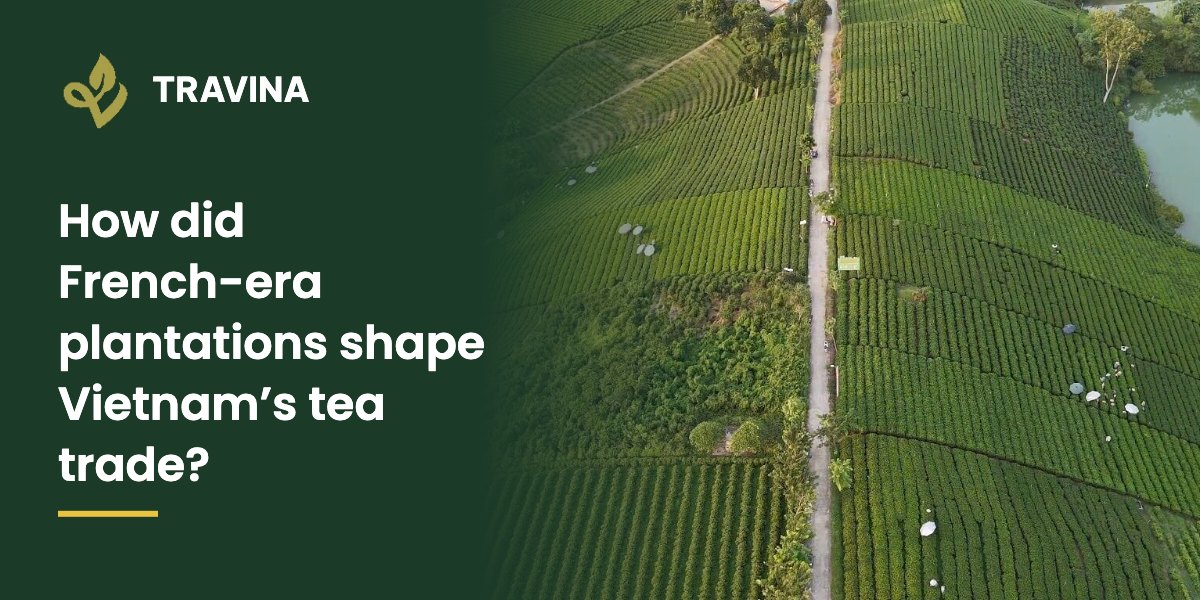
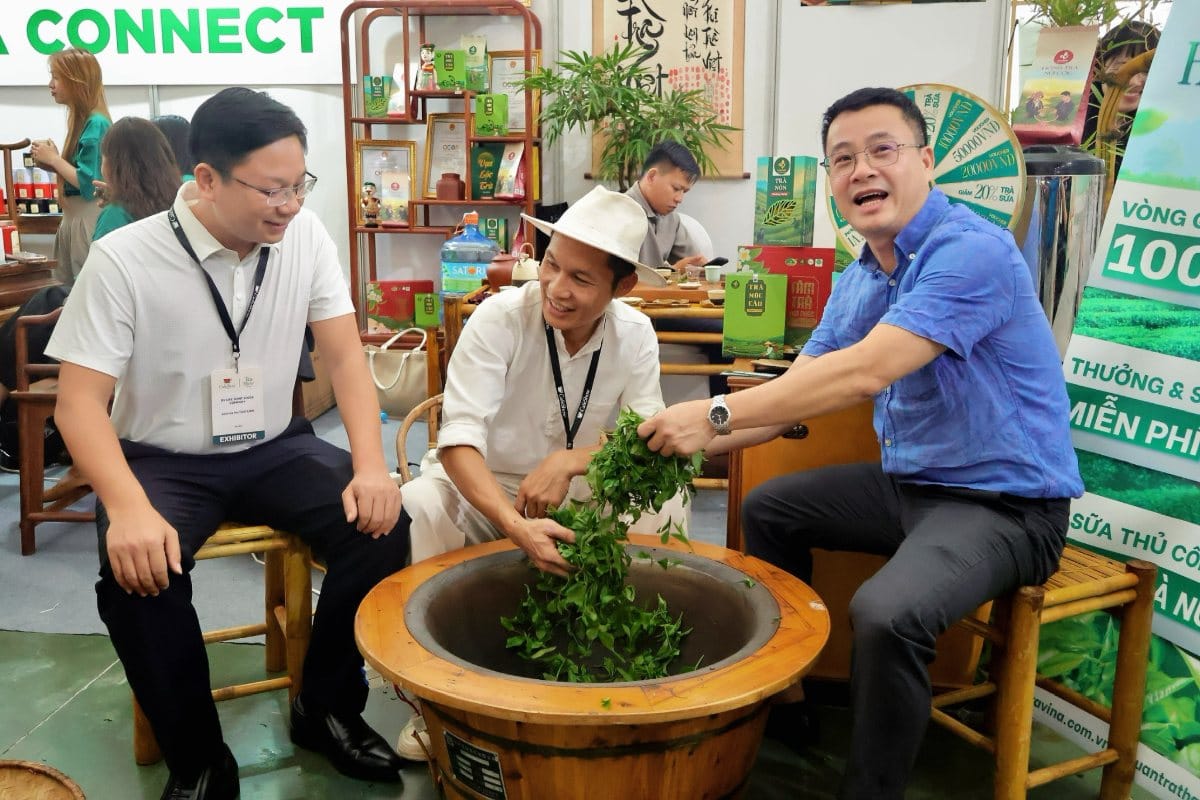
The 2023 listing recognises a body of knowledge rather than a product: how households choose and tend tea bushes, when and how they pick, and how they wither and roast the leaf by hand. Nhân Dân reported that the certificate was presented on 5 April 2023, and described a tea area of more than 1,300 hectares producing over 20,000 tonnes a year. The listing names one village area west of Thai Nguyen city, but the techniques it describes, from picking one bud and two leaves to pan roasting in the evening, are shared across the province, including in La Bang where our members farm.
Being on the national list means the state commits to documenting and safeguarding the practice. It is not a quality certificate and does not regulate who can use the name on a label; that is the job of geographical indications and trademarks.
Hanoi: the craft of scenting lotus tea
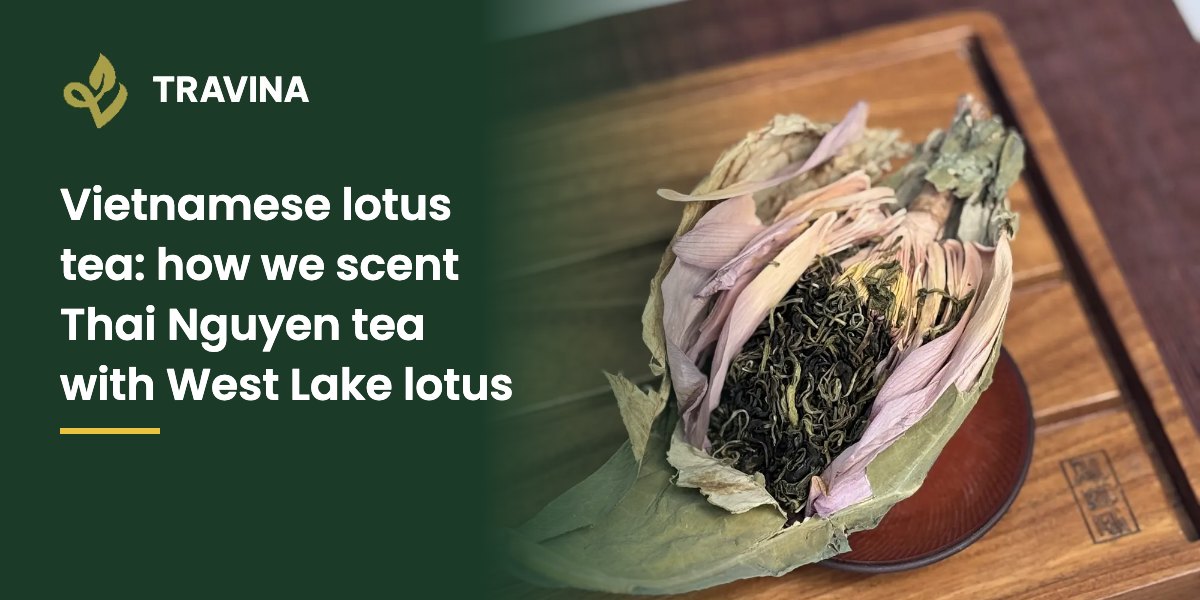
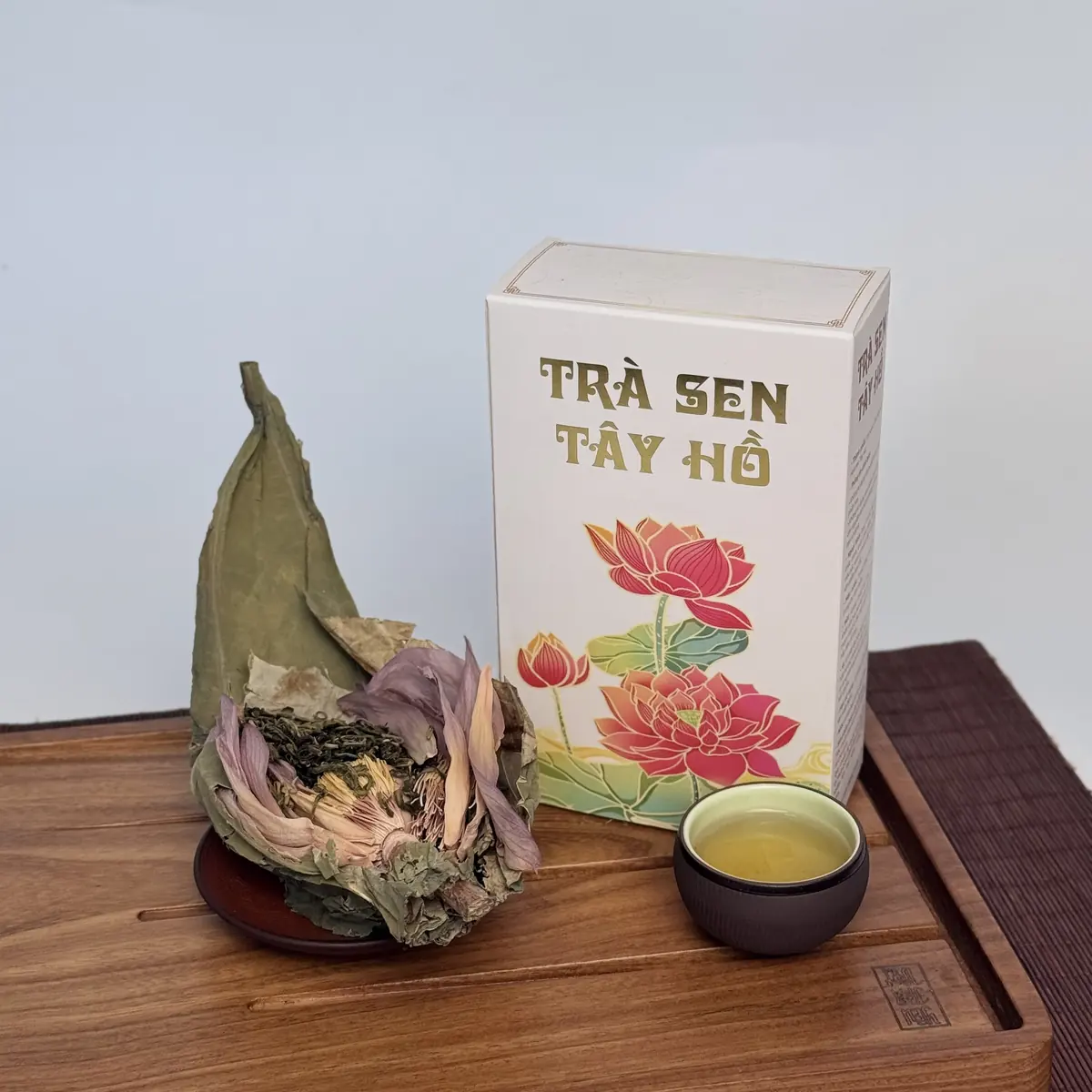
The 2024 listing covers the families of Quang An, beside West Lake, who scent green tea with lotus. Lotus anthers, called “lotus rice”, are collected by hand from each flower and layered with tea, then dried; the process is repeated five to seven times over one to two weeks, and about 1,000 to 1,400 flowers are needed per kilo of tea. Nhân Dân reported that more than 30 families still practise the craft, making about 500 kg of traditional lotus tea a season. Báo Lào Cai described lotus tea scenting as a long-standing cultural feature of Hanoi life.
Heritage trees: a different kind of recognition
“Vietnam Heritage Tree” is a title given by VACNE, a national conservation association, not by the Ministry of Culture. It recognises old or culturally important trees and stands. Several ancient tea stands carry it, including 400 trees at Suoi Giang (2016), 220 at Cao Bo (2015), 100 at Giang Pang (2019), 105 at Hoang Thu Pho (2023) and the Ban Be stand at Ta Xua (2019). We describe them in where Vietnam’s ancient tea trees are.
Heritage, geographical indication, trademark: what is the difference?
| Type | Protects | Example in tea | Effect on labels |
|---|---|---|---|
| Intangible cultural heritage | A living practice and the knowledge behind it | Lotus scenting in Quang An | None directly |
| Heritage tree | Old trees and stands | Suoi Giang ancient tea | None directly |
| Geographical indication | A product name tied to a defined area and quality | Shan tuyet Moc Chau, Shan tuyet Ha Giang | Only qualifying producers may use the name |
| Collective mark | A name owned by an association for its members | “Chè Thái Nguyên” | Use requires permission |
For a buyer, heritage status is a strong story and a sign that a tradition is real and documented. It is not, by itself, proof of where a particular lot comes from or how it was made. For that, ask for origin documents, test reports and, where a protected name is used, proof of the right to use it. See how to verify genuine Thai Nguyen tea and our certificates and licences.
Frequently asked questions
Is Vietnamese tea on the UNESCO heritage list?
Not as far as we could verify. The two tea listings we confirmed are on Vietnam’s national list of intangible cultural heritage.
When was Thai Nguyen tea knowledge listed as national heritage?
By Decision 240/QĐ-BVHTTDL dated 14 February 2023; the certificate was presented on 5 April 2023.
When was Hanoi lotus tea scenting listed?
By Decision 2316/QĐ-BVHTTDL, announced in August 2024.
Does heritage status guarantee quality?
No. It recognises a tradition. Quality depends on each producer and each lot.
Does TRAVINA make lotus tea?
Yes, we offer West Lake lotus tea and the anther-scented West Lake Hundred-Petal Lotus Anther-Scented Tea.
Sources
- Nhân Dân, Thai Nguyen tea knowledge listed as national intangible heritage, 5 April 2023: nhandan.vn
- Báo Lào Cai, Quang An lotus tea scenting becomes national heritage, 14 August 2024: baolaocai.vn
- VTV, lotus tea craft recognised as national heritage, 15 August 2024: english.vtv.vn
- Nhân Dân (special report), West Lake lotus tea, 2 July 2024: special.nhandan.vn
- Báo Lào Cai, Suoi Giang ancient tea, 22 September 2023: baolaocai.vn
- Báo Lào Cai, Hoang Thu Pho Heritage Trees, 1 July 2023: baolaocai.vn
Interested in tea with a documented tradition? Contact TRAVINA for samples and origin documents.