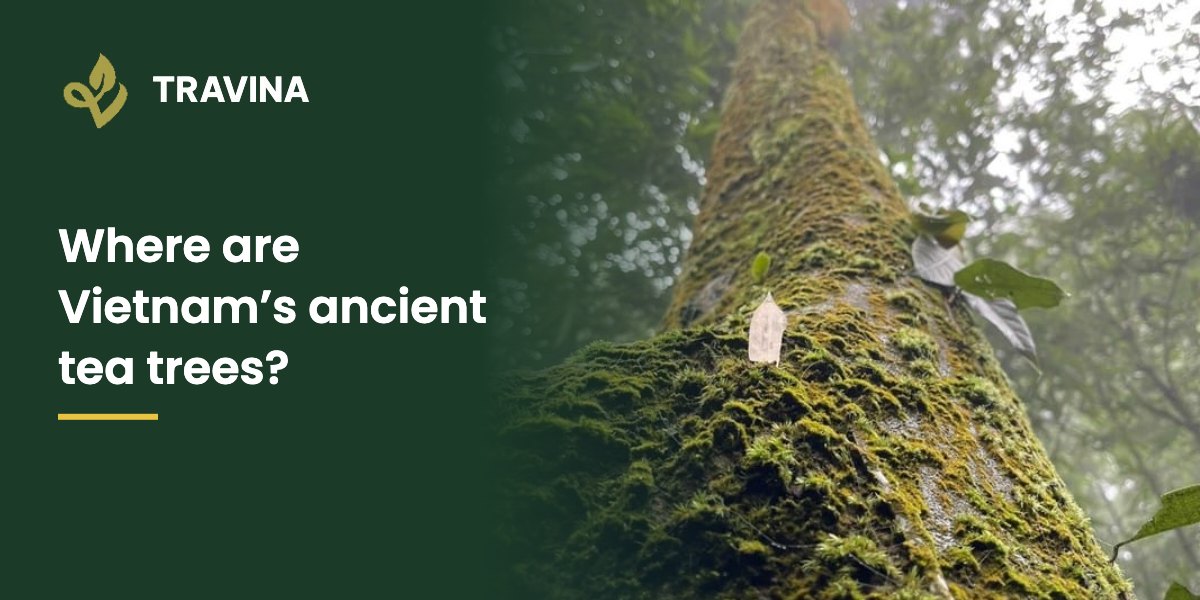
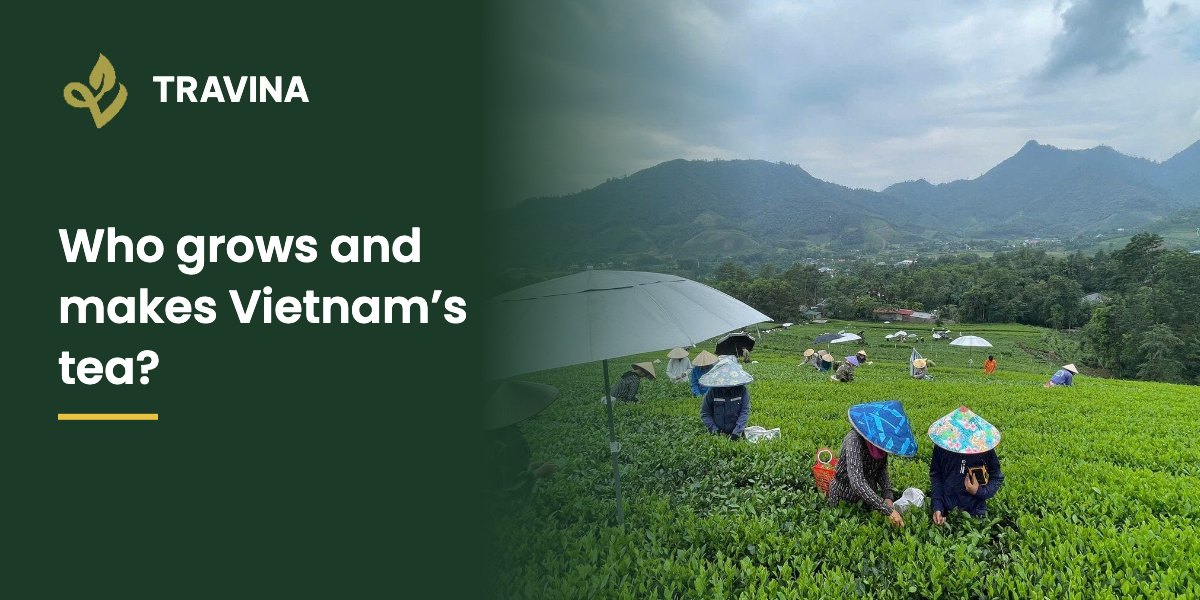
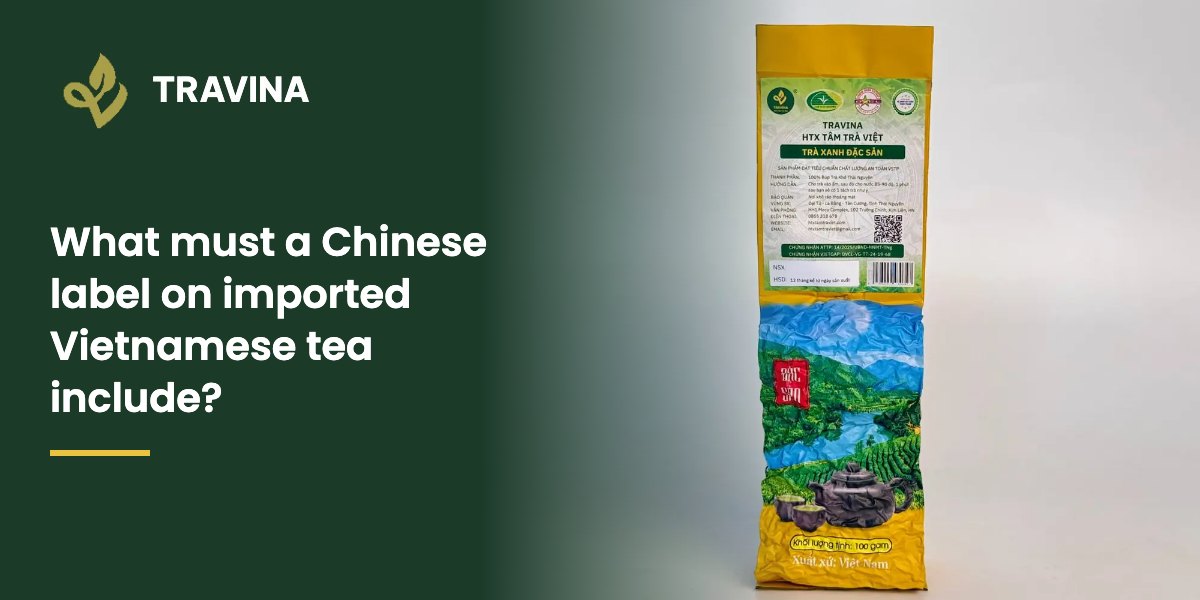
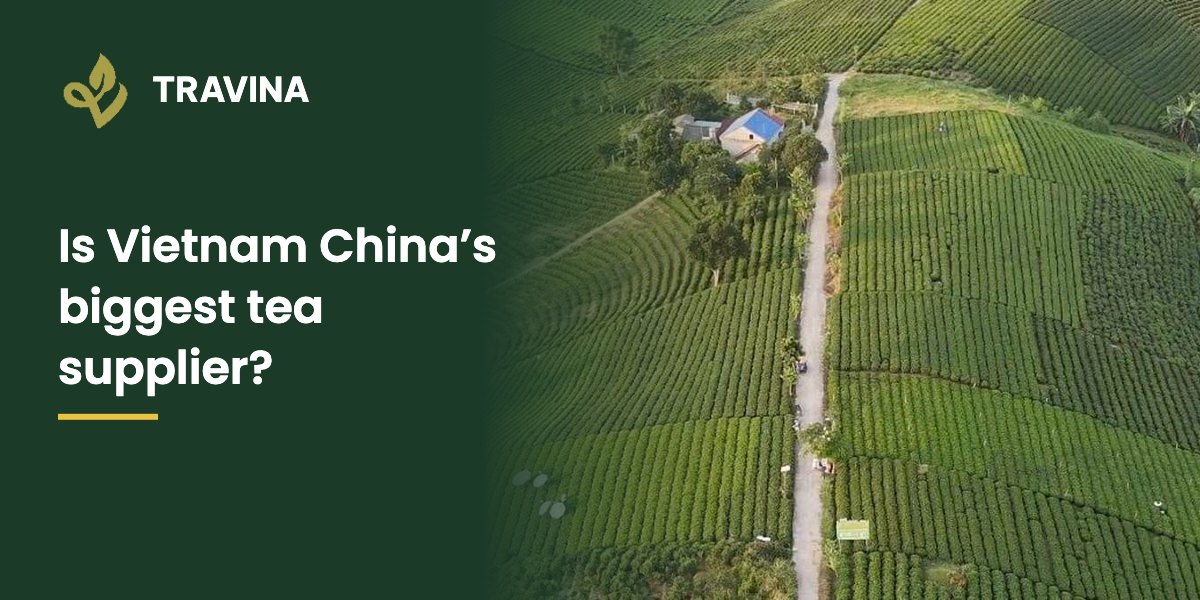
Where are Vietnam’s ancient tea trees, and how old are they really? Most of them stand in the northern mountains, above 1,000 metres, in places such as Suoi Giang, Ta Xua, Cao Bo and the old Hoang Su Phi tea villages. Several stands have been recognised as “Vietnam Heritage Trees”. Their ages, however, are mostly estimates: claims of 500 or even 1,000 years are common in the press, while the one stand measured with a growth borer came out at about 100 years. This guide lists the main stands, what has been officially recognised, and how to read the age claims.
The main ancient tea stands at a glance
Since 1 July 2025 Vietnam has 34 provinces instead of 63, so several famous tea areas now sit in a different province. The table gives both the familiar name and the current one.
| Stand | Province now (formerly) | Heritage Tree recognition | Reported age |
|---|---|---|---|
| Suoi Giang | Lao Cai (Yen Bai) | 400 trees, 2016 | Over 100 years; an “ancestor tree” locally believed to be over 400 years (estimate) |
| Cao Bo, Vi Xuyen | Tuyen Quang (Ha Giang) | 220 trees, 2015 | About 100–400 years (estimate in a 2021 geography study) |
| Giang Pang and Lang Manh | Lao Cai (Yen Bai) | 100 trees, September 2019 | Over 100 years according to scientists; 300–400 years in local accounts |
| Cho Chai, Hoang Thu Pho | Lao Cai | 105 trees, June 2023 | About 100 years, measured with an increment borer |
| Ban Be, Ta Xua | Son La | Recognised 2019 | Described as “hundreds of years old” |
| Ta Thang | Lao Cai | Not recognised (as of October 2023) | Over 100 years, some trees 200–300 years (estimate) |
| Nui Bong, Duc Luong | Thai Nguyen | Not listed | Many trees described as hundreds of years old, some over 20 m tall |
“Vietnam Heritage Tree” (Cây Di sản Việt Nam) is a title awarded by the Vietnam Association for Conservation of Nature and Environment (VACNE). It recognises old or culturally important trees and stands; it is not a certification of tea quality.
Suoi Giang: the best known
Suoi Giang sits at around 1,400 metres in what used to be Yen Bai province and is now part of Van Chan commune, Lao Cai. In 2016 VACNE recognised a stand of 400 tea trees there as Vietnam Heritage Trees. Báo Lào Cai describes more than 300 hectares of tea over 100 years old in the area, and a local “ancestor tree” believed to be more than 400 years old. More recent reports from the same paper describe about 400 trees of 100 to 300 years, which shows how much the age figures vary even within one source.
Suoi Giang is also where, in 1960, the Soviet tea scientist K. M. Djemukhadze is said to have written in the commune’s visitors’ book, asking whether this might be “the origin of the tea plant”. It was a question, not a research finding, and should be read that way.

Ha Giang’s Shan tea: Cao Bo, Lung Phin and Hoang Su Phi
The old Ha Giang province, now part of Tuyen Quang, has the largest area of Shan tea in Vietnam: about 7,200 hectares according to a 2021 study in a Vietnamese human geography journal. At Cao Bo, a stand of 220 trees was recognised as Vietnam Heritage Trees in 2015, with estimated ages of 100 to 400 years. In Lung Phin, near the Chinese border at around 1,800 metres, SGGP reported 77 hectares of Shan tea in 2015, including 14 hectares of native trees from 70 to several hundred years old. In Hoang Su Phi, households at Phin Ho describe trees of “five or six hundred years”, while admitting that no one knows exactly when they were planted.
The same study mentions a tree said to be “over 900 years old” with a trunk about 1.2 metres across. Figures like this circulate widely, but we have not found a measurement behind them.
Lao Cai and Son La: Giang Pang, Hoang Thu Pho, Ta Thang and Ta Xua
Further west, several stands have been recognised more recently. At Giang Pang and Lang Manh, above 1,600 metres, 100 trees received Heritage Tree status in September 2019; Nhân Dân reported that scientists put them at over 100 years, while villagers say 300 to 400. At Cho Chai in Hoang Thu Pho, 105 trees were recognised in June 2023. Báo Lào Cai reported that their age was assessed with an increment borer at about 100 years, a useful reminder that measured ages are often lower than legend.
In Son La, the Ban Be stand at Ta Xua, above 1,500 metres, was recognised in 2019. VietnamPlus reported in September 2026 that Ta Xua has more than 200 hectares of Shan tea, close to half of it old trees.
What about Thai Nguyen?
Thai Nguyen is famous for its green tea from cultivated gardens, not for ancient trees. Old tea does survive, though, in the forest on Nui Bong mountain at Duc Luong, where a 2026 forestry journal paper describes a population of Shan tea with many individuals hundreds of years old and some trees over 20 metres tall, at 640 to 850 metres. We wrote about these stands in ancient tea trees in Thai Nguyen. Our ancient tea flower buds come from old trees on the eastern slopes of the Tam Dao range.

How to read age claims
- Measured or estimated? Very few ages are measured. Increment borers or ring counts give real numbers; local memory and trunk size give estimates.
- Single tree or stand? “A 400-year-old tree” and “a stand of trees over 100 years” are very different statements. Heritage recognitions usually cover a stand.
- Old tree or old garden? A garden first planted centuries ago may hold much younger trees today.
- What the tea is made from. Tea sold as “ancient tree” can mean leaf from heritage stands, from younger Shan trees in the same area, or a blend. Ask which.
What science says about these trees
Japanese and Vietnamese researchers who sampled 135 tea plants across northern Vietnam (Yoshida et al., 2006) found that all of them belonged to Camellia sinensis var. assamica, the large-leaf type. A 2025 study of 60 Shan tea trees using SSR markers (Bui et al., Sains Malaysiana) found high genetic diversity and three regional groups, with measurable chemical differences between Suoi Giang and Cao Bo trees. Nationally, the Vietnam Tea Association put the area of forest Shan tea at close to 20,000 hectares in 2024.
Frequently asked questions
Where is the oldest tea tree in Vietnam?
No tree’s age has been reliably measured as the oldest. Suoi Giang, Cao Bo and the Ha Giang highlands are most often named, with claims from 400 to over 900 years, but these are estimates.
How many ancient tea trees are recognised as Vietnam Heritage Trees?
The stands we could verify include 400 trees at Suoi Giang (2016), 220 at Cao Bo (2015), 100 at Giang Pang (2019), 105 at Hoang Thu Pho (2023) and the Ban Be stand at Ta Xua (2019). There is no single official total we could confirm.
Are Vietnamese ancient tea trees the same plant as Yunnan’s big-leaf tea?
Both belong to the large-leaf assamica variety. Studies show strong regional differences in genetics and leaf chemistry within Vietnam alone.
Is “Shan tuyet” the same as ancient tea?
No. Shan tuyet (“snow Shan”) is a type of large-leaf tea with fine white down on the buds. Many Shan tuyet trees are old, but not all Shan tuyet tea comes from ancient trees.
Can buyers visit these stands?
Most are in remote highland villages. In Thai Nguyen, visitors can reach the gardens near Tam Dao; see our tea tours.
Sources
- Báo Lào Cai, Suoi Giang ancient tea, 22 September 2023: baolaocai.vn
- Báo Lào Cai, Hoang Thu Pho Heritage Tree recognition, 1 July 2023: baolaocai.vn
- Báo Lào Cai, Ta Thang stand, 7 October 2023: baolaocai.vn
- Nhân Dân, Giang Pang Heritage Trees, 23 September 2019: nhandan.vn
- VietnamPlus, Ta Xua Shan tea, 12 September 2026: vietnamplus.vn
- Pham Thi Tram and Nguyen Thi Hang, Shan tea in Ha Giang, Journal of Human Geography Research 3(34), 2021: vjol.info.vn
- SGGP, “Lên núi tìm trà”, 3 July 2015: sggp.org.vn
- Nguyen Cong Hoan et al., Shan tea population on Nui Bong, Journal of Forestry Science and Technology 15(4), 2026: journal.vnuf.edu.vn
- Yoshida K. et al. (2006), caffeine, catechins and amino acids in northern Vietnamese tea: agris.fao.org
- Bui K.T. et al. (2025), Shan tea diversity, Sains Malaysiana 54(3): ukm.my
- Nhân Dân, Vietnam Tea Association on Shan tea area, 14 December 2024: nhandan.vn
Interested in teas from old trees? Contact TRAVINA and we will tell you honestly what we can supply, from which trees, and in what quantity.