Ask a tea drinker in Hanoi what “Tra Bac” means and most will struggle to give you a precise answer, because it is less a single product than a regional identity: green tea from the hill country north of the Red River, pan-fired by hand, drunk from a small cup rather than a mug. Thai Nguyen is where the style is most associated, and inside Thai Nguyen, the district of Dai Tu is where a large share of that tea is actually grown.

Where the style comes from
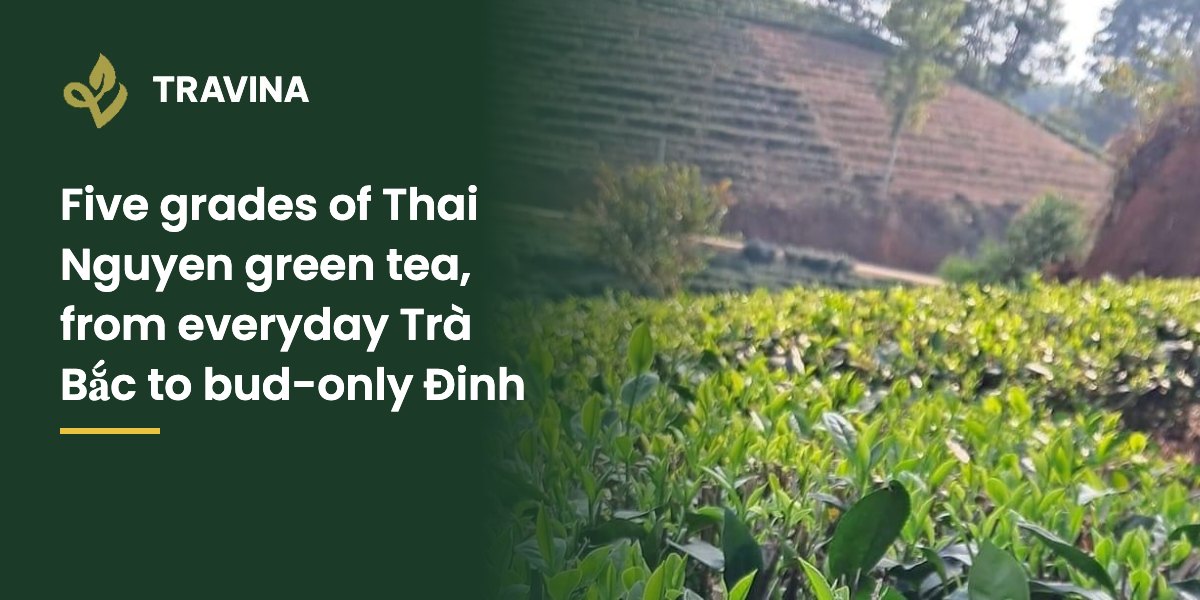
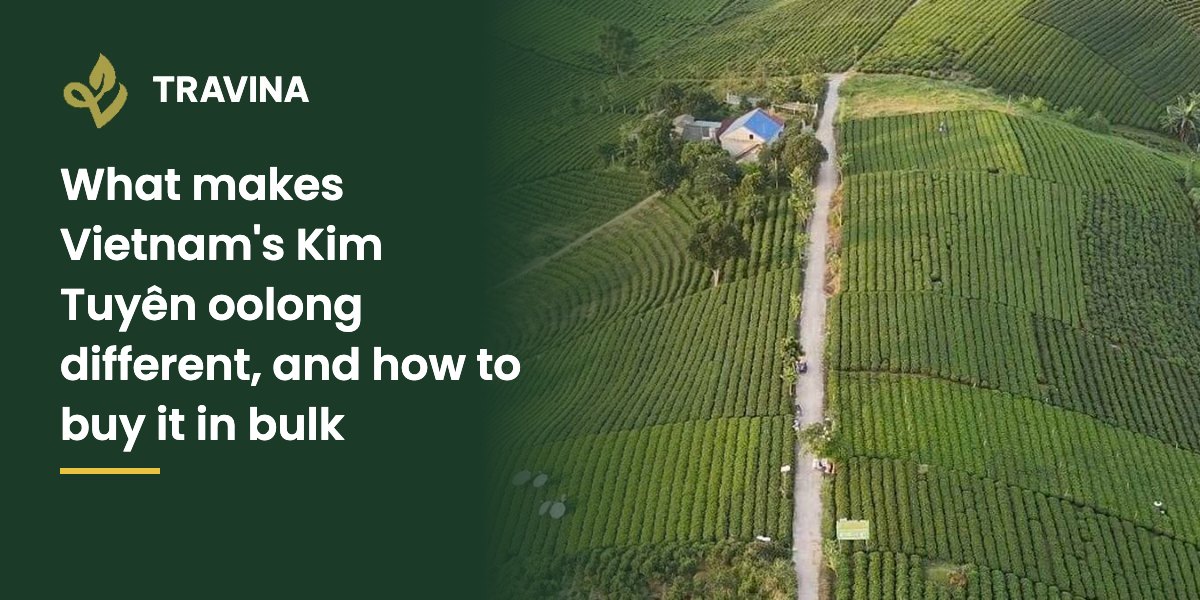
The hills around Dai Tu sit in the rain shadow of the Tam Dao range, which blocks the coldest winter wind, while nearby Nui Coc lake keeps the local humidity steadier than it would otherwise be. Growers here have planted and picked tea for generations; it is not a crop that arrived recently. TRAVINA is one cooperative among many in this landscape — ninety member households farming 40.5 hectares across Dai Tu and La Bang, all VietGAP-certified (DVCL-VG-TT-24-19-68), picking by hand rather than machine. We describe our own founder’s family history and our processing method in more detail on our About TRAVINA and Tea Origin and Factory pages; this piece is about the style of tea itself, not our particular version of it.

What sets the taste apart
Three things define Tra Bac against other Vietnamese green teas: a short, clean bitterness at the front of the sip; a sweetness that builds after swallowing rather than fading with it, which growers call “hau ngot,” returning sweetness; and an aroma close to young rice or fresh-cut grass rather than the roasted or floral notes found in some other regional styles. None of that is accidental. It comes from picking a tender, mostly-unopened bud, withering it briefly, then pan-firing it by hand in small batches — a slower, more attention-heavy method than the rolling-drum processing used for bulk tea elsewhere.
A drink built around company
In most of the households we work with, tea is not something drunk alone at a desk. It is what gets poured when a guest arrives unannounced, what sits on the table during a family conversation, what a host offers before any business is discussed. That is not marketing language; it is simply how tea functions in daily life across the villages of Dai Tu and La Bang, and it is a large part of why the cooperative model — households growing and selling together rather than as isolated competitors — has held up here for as long as it has.

What to look for if you are buying
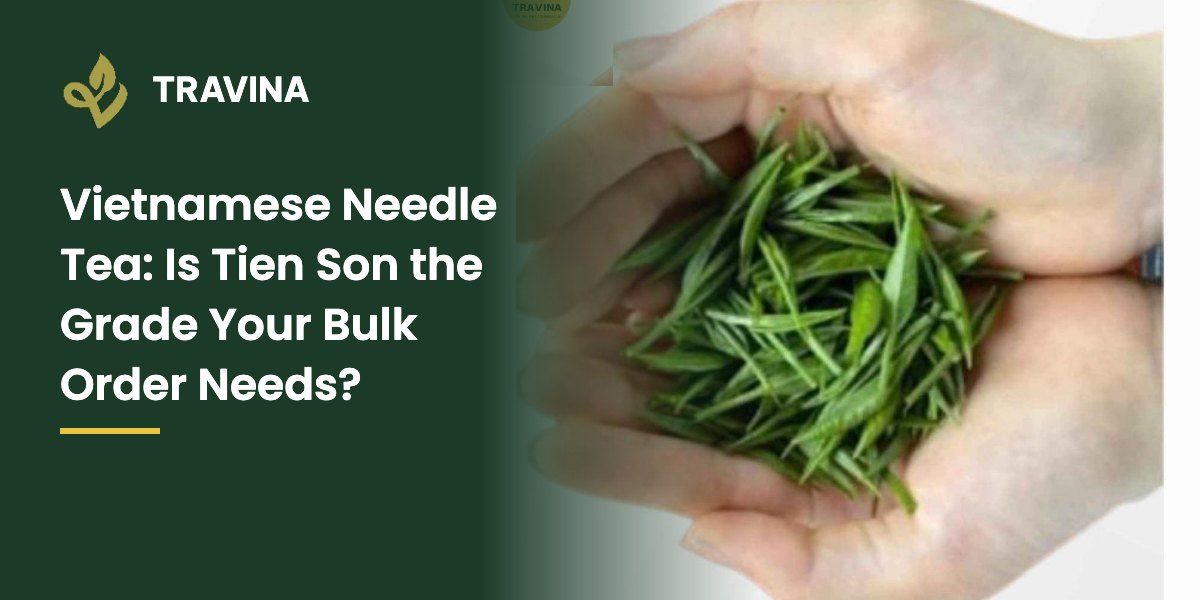
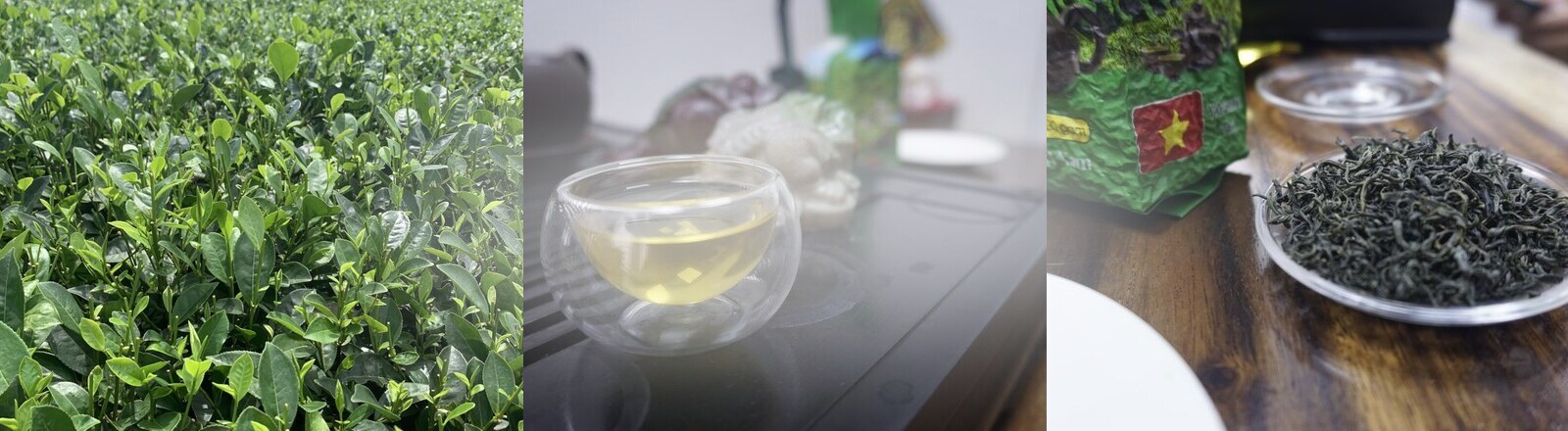
Dry Tra Bac leaf should be tightly twisted, even in size, with a blue-black sheen rather than a dull brown one — a sign it was pan-fired correctly rather than scorched or under-dried. In the cup, look for a pale green-gold liquor, not a dark or cloudy one. If a tea sold as Tra Bac tastes flat or purely bitter with no returning sweetness, it was very likely picked coarse or fired carelessly. Our own certificates and traceable growing-area code are set out on the certificates page for buyers who want to verify a specific batch before ordering.