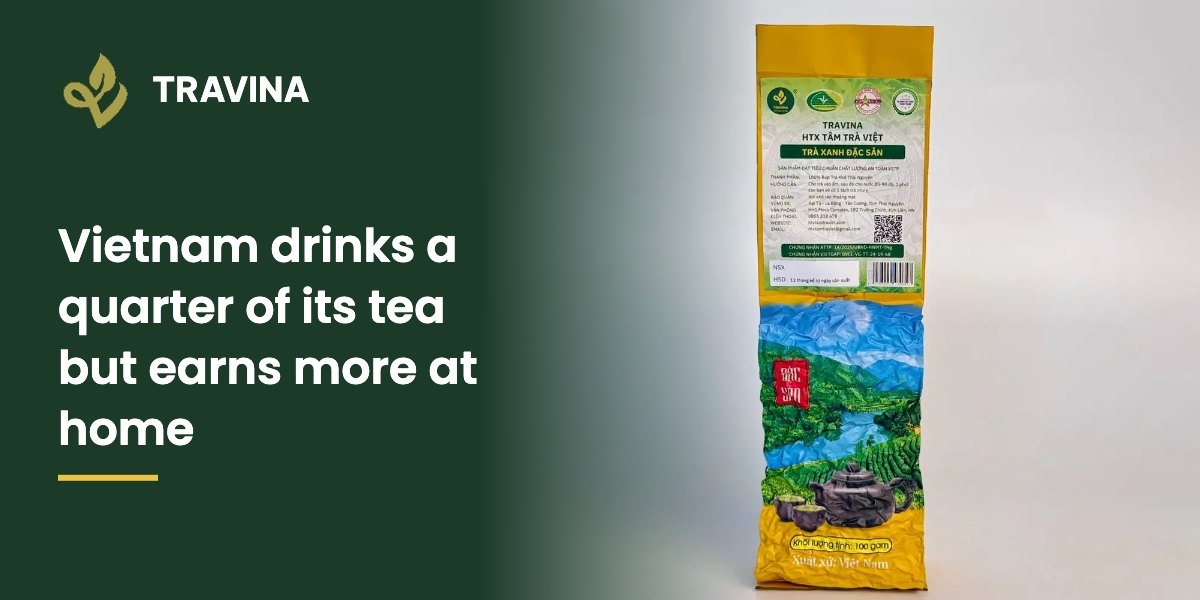
Vietnam drinks a quarter of its tea but earns more at home. Why? Because Vietnamese drinkers pay far more per kilo than foreign bulk buyers. In 2022, Vietnam produced about 194,000 tonnes of finished tea, exported about 146,000 tonnes for 237 million USD, and sold about 48,000 tonnes at home for roughly 325 million USD. In other words, a quarter of the volume earned more than the three-quarters sent abroad. This article explains how that happens and what it says about the value of Vietnamese tea.
Domestic vs export in one table
| Exported | Sold in Vietnam | |
|---|---|---|
| Volume, 2022 | About 146,000 t (about 75%) | About 48,000 t (about 25%) |
| Value, 2022 | About 237 million USD | About 7,500 billion VND, roughly 325 million USD |
| Average price | About 1.7 USD/kg | About 4 USD/kg on average; 7–20 USD/kg retail in Thai Nguyen, Ha Giang and Son La |
| Main products | Bulk green and black tea for blending | Graded green tea, scented tea, gift tea |
Sources: Department of Crop Production, interview in Báo Nông nghiệp, November 2024; VnEconomy, November 2024.
Why Vietnamese drinkers pay more
- They buy finished, graded tea. A Hanoi family buys roasted Thai Nguyen green tea of a known grade, often from a trusted seller, not raw material.
- They pay for origin. Names such as Thai Nguyen, Ha Giang Shan tuyet or West Lake lotus tea carry a premium at home that is rarely paid abroad.
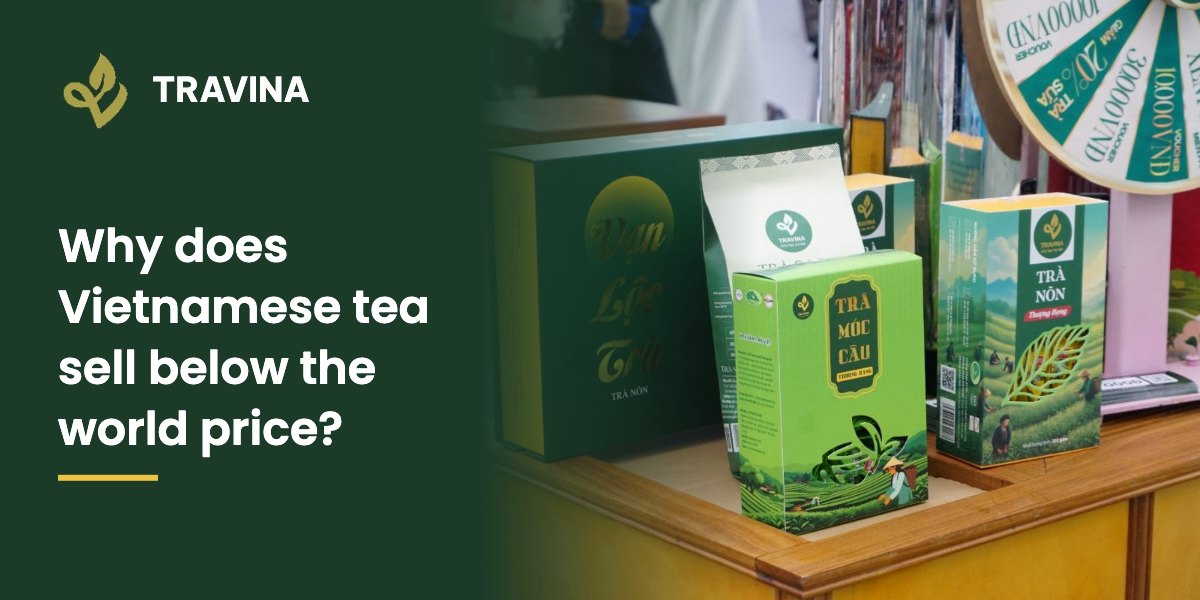
- Tea is a gift. At Tet and on family occasions, tea is given in boxes, and buyers trade up.
- Short chains. Much domestic tea goes from household workshop to trader or shop, so more of the price stays in Vietnam.
How much tea do Vietnamese people drink?
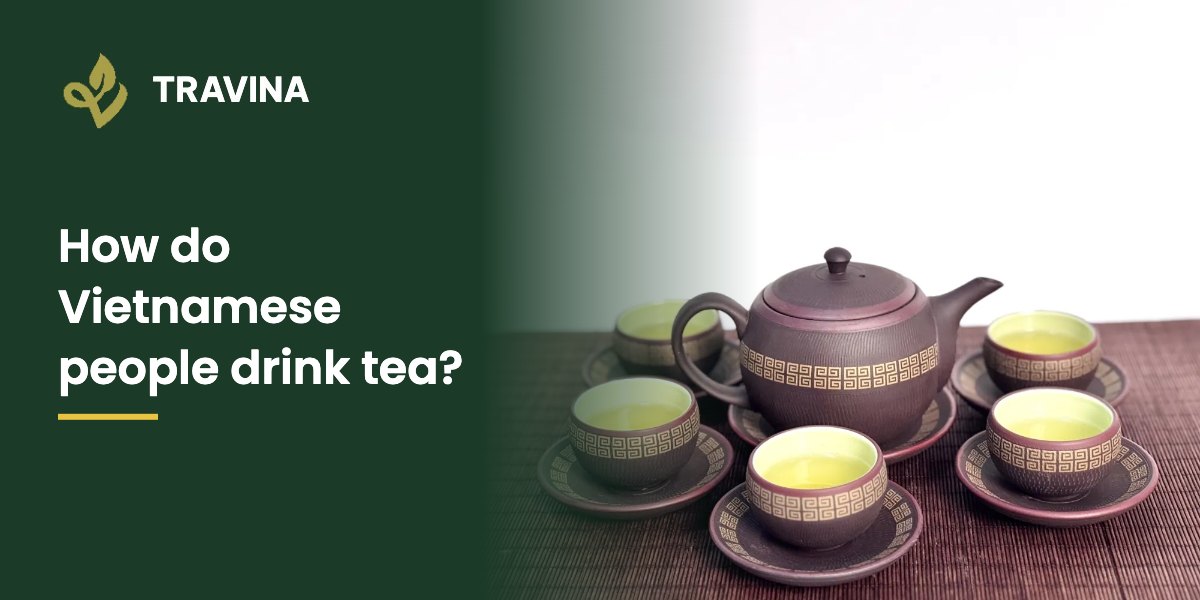
Dividing 48,000 tonnes by a population of about 99.5 million in 2022 gives roughly 0.48 kg per person per year (our calculation). That is modest compared with heavy tea-drinking countries, but the habit is daily and widespread, from a pot for every guest to iced tea on the pavement. We describe these customs in how Vietnamese people drink tea.
What the gap says about Vietnamese tea
The difference between 1.7 USD per kilo at export and 4 USD or more at home shows that the low export price is not mainly about the tea itself. It reflects how the tea is sold: as unbranded bulk raw material abroad, and as finished, named, graded tea at home. Vietnam’s agriculture ministry expects exports to rise to about 80% of output by 2030; the question for the industry is whether it can export more of the kind of tea Vietnamese people buy for themselves.
We discuss the export side in which Vietnamese teas cost the most and in our article on what kinds of tea Vietnam exports.
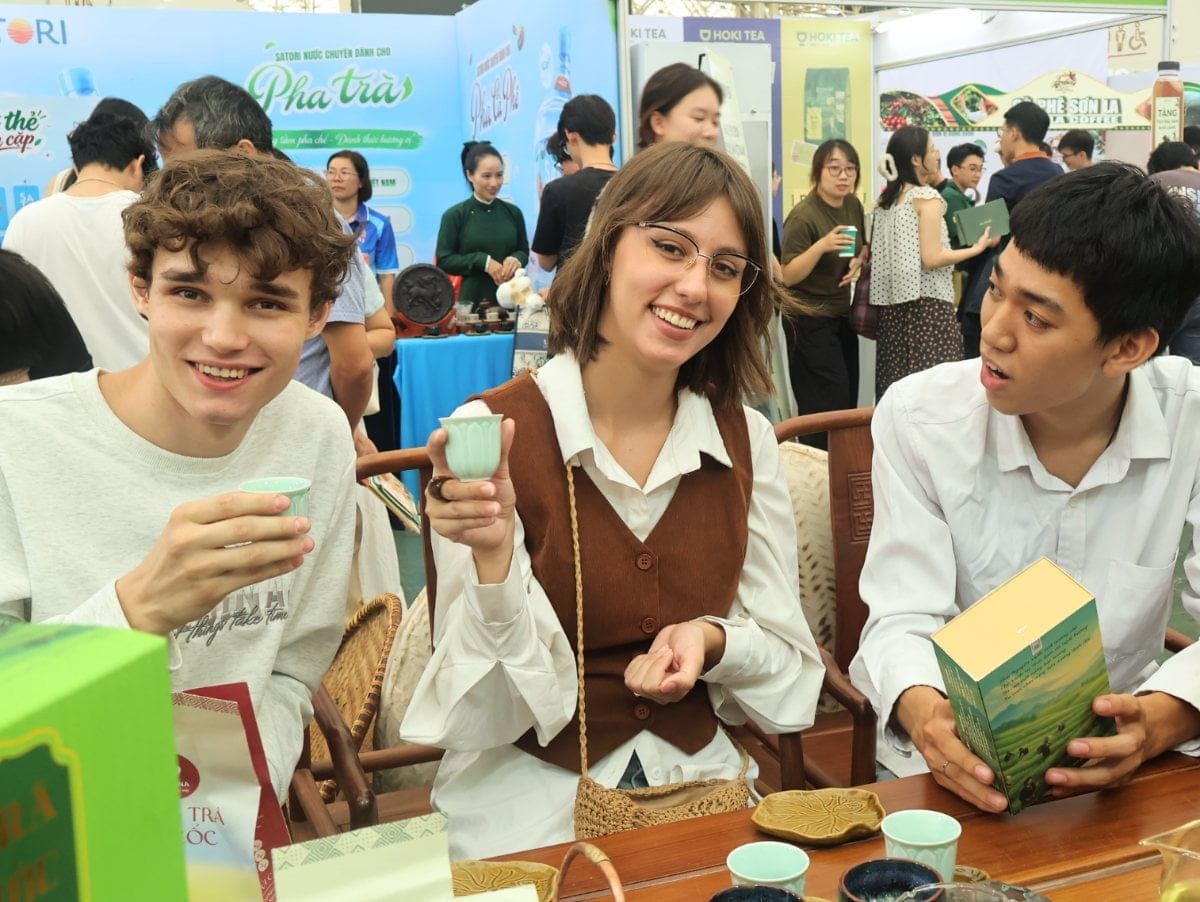
What this means for importers
- The teas Vietnamese people pay most for, graded green tea, needle tea, lotus and jasmine tea, are available for export in smaller volumes.
- Buying these teas costs more than bulk, but you are buying what the home market values, with a clearer story for your customers.
- Ask for the same documents a Vietnamese gift buyer would expect: origin, grade, harvest and test reports.
Frequently asked questions
How much of its tea does Vietnam export?
About three-quarters by volume: roughly 146,000 of 194,000 tonnes of finished tea in 2022.
Is the domestic tea market really worth more than exports?
According to the Department of Crop Production, yes: about 325 million USD at home against 237 million USD in exports in 2022.
Why is Vietnamese tea so much cheaper at export?
Because most of it is sold abroad as bulk raw material, while Vietnamese consumers buy finished, graded and named tea.
Can I buy the same tea Vietnamese consumers buy?
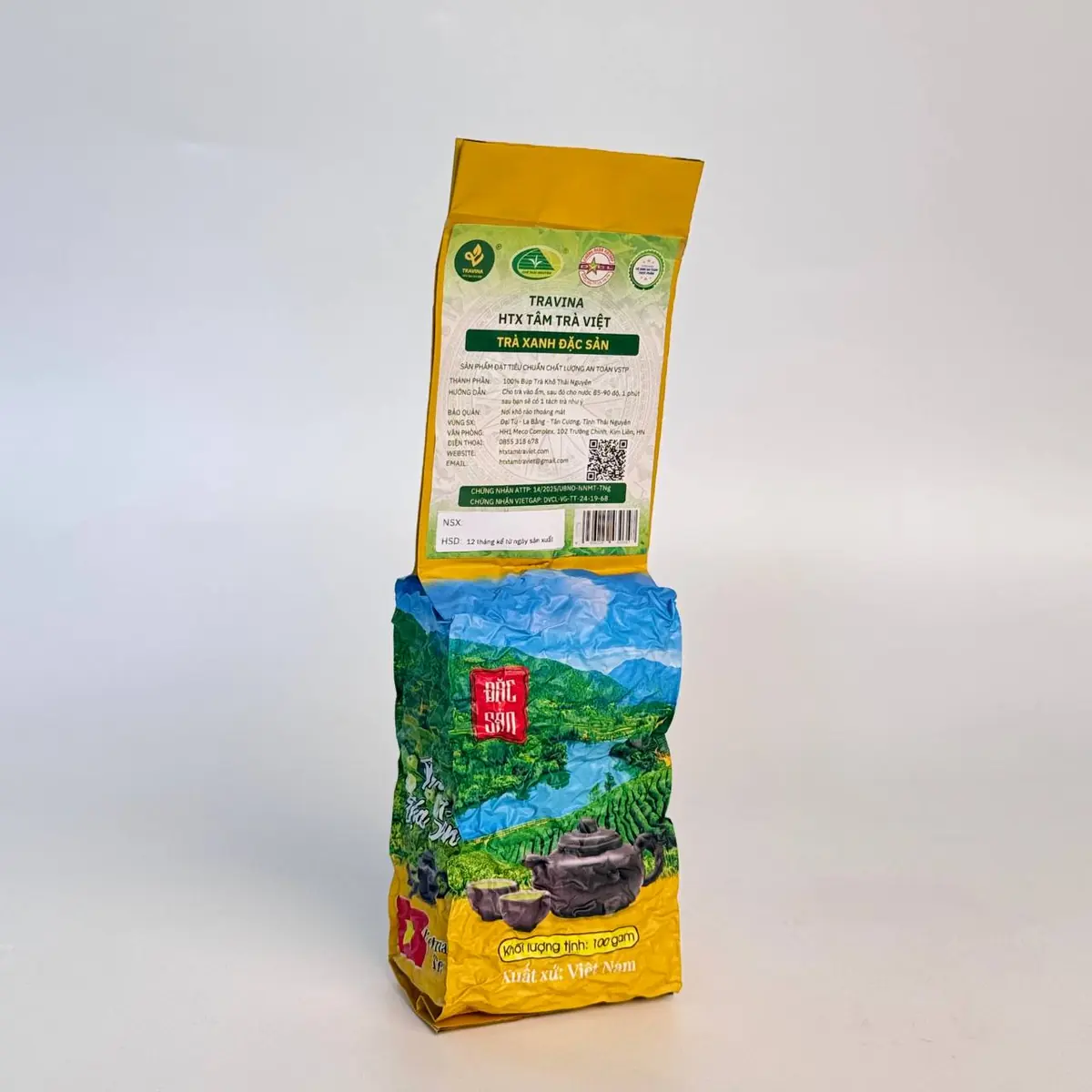
Yes. TRAVINA exports graded Thai Nguyen green tea, needle tea and scented teas; contact us for samples.
Sources
- Department of Crop Production, Báo Nông nghiệp (English edition), 5 November 2024: van.nongnghiepmoitruong.vn
- VnEconomy, export and domestic prices, 6 November 2024: vneconomy.vn
Want the teas Vietnam keeps for itself? Contact TRAVINA for graded samples.