Northern-style green tea, what growers in Thai Nguyen call Tra Bac, is the everyday cup in most Vietnamese households in the north: a small pot at breakfast, a thermos refilled through the day, a pot set out when a neighbour drops by unannounced. The question buyers ask us most often is a simple one: is it actually good for you, or is that just what tea sellers say?

What Tra Bac actually is
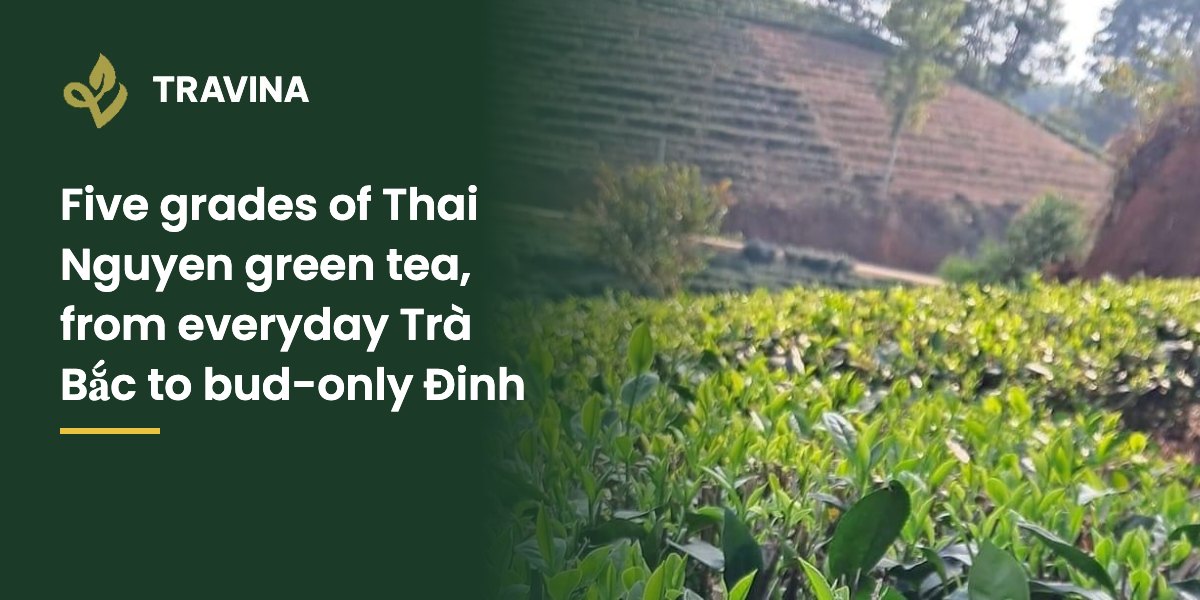
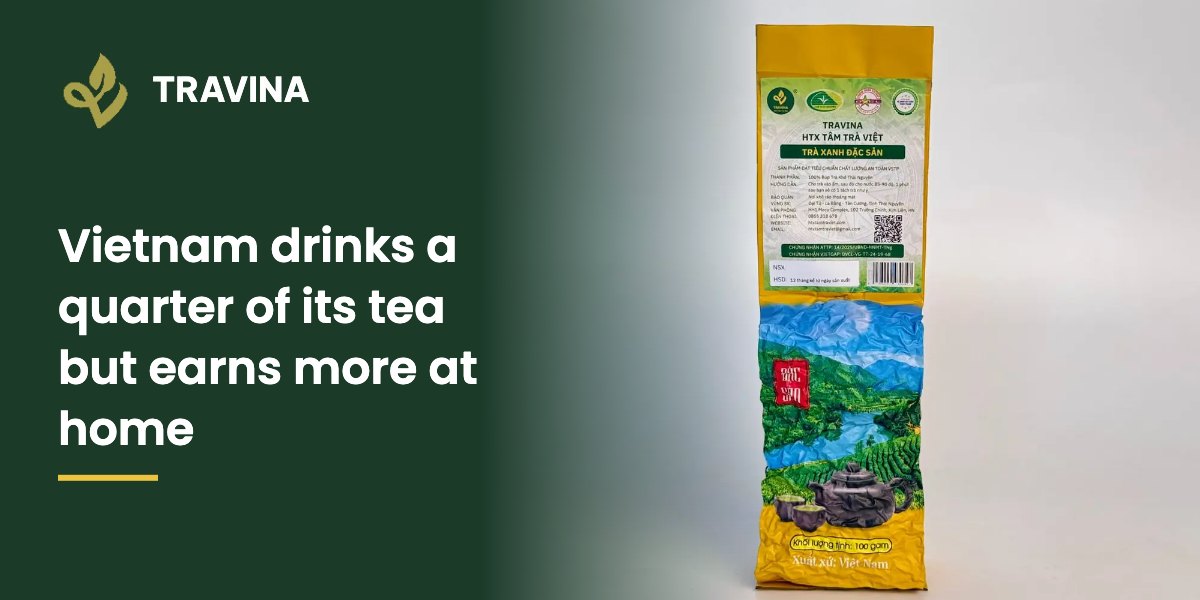
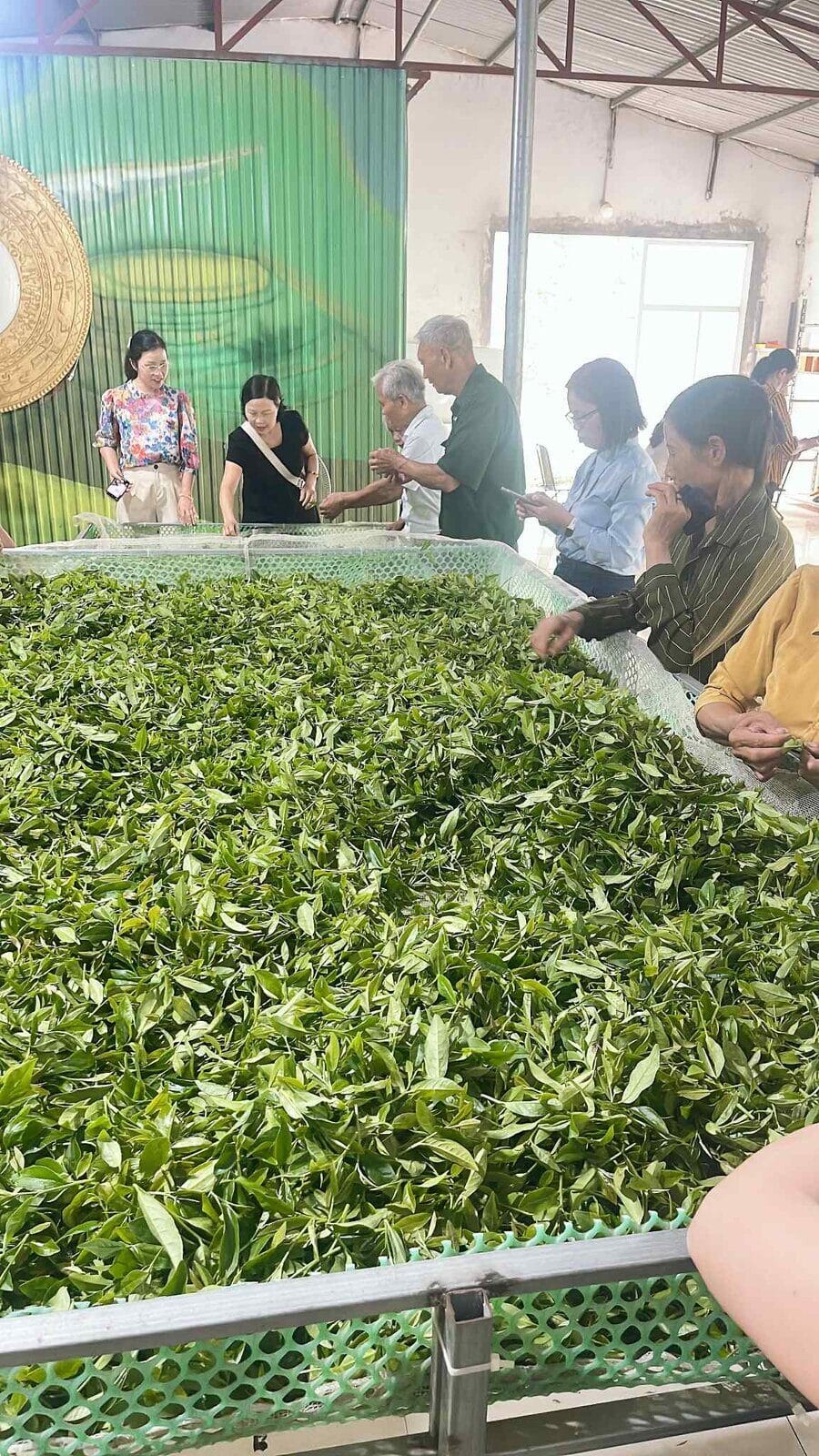
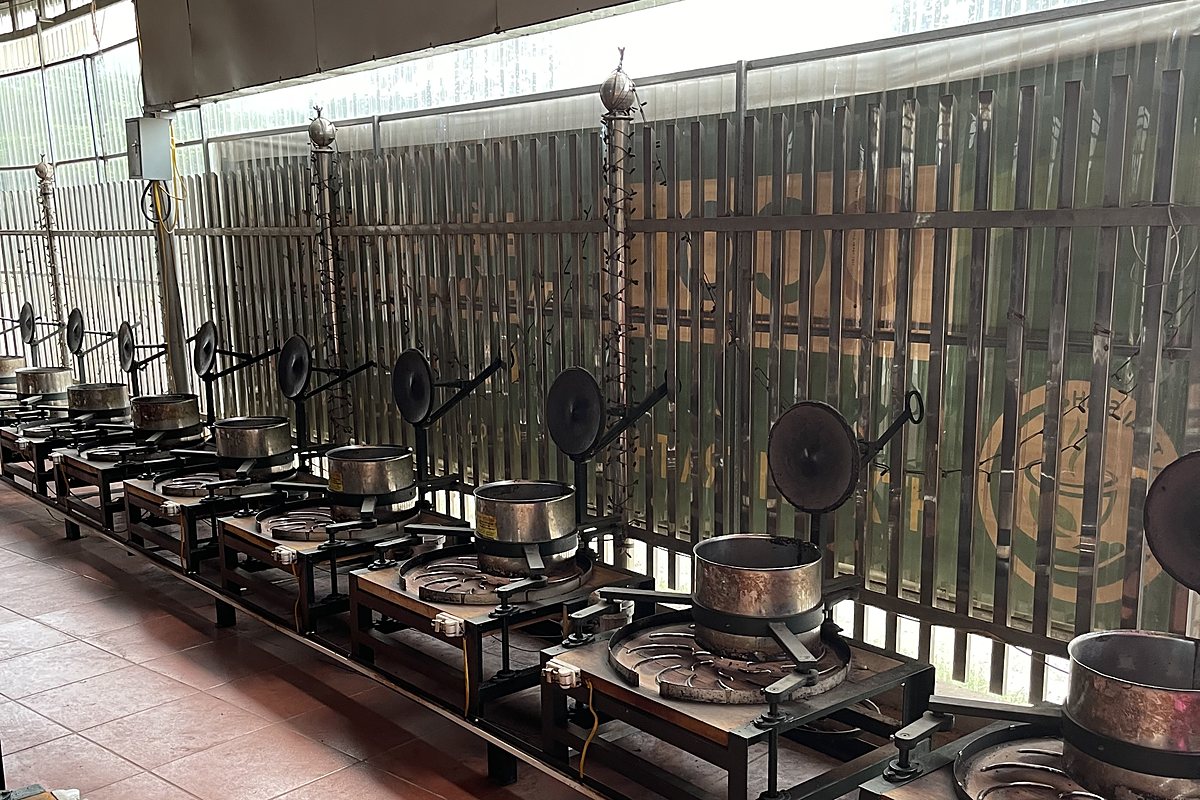
Tra Bac is not a single cultivar; it is a style: green tea grown on the hill country of Thai Nguyen and pan-fired by hand rather than oxidised into black tea. The taste people describe is consistent across the region — a short, clean astringency up front that turns into a lasting sweetness, with a note the Vietnamese call “huong com,” the smell of young rice. TRAVINA’s own Tra Bac comes from cooperative gardens in Dai Tu and La Bang, farmed to VietGAP standard (DVCL-VG-TT-24-19-68) and picked by hand, not machine.
What is actually in the cup
Green tea contains a moderate amount of caffeine alongside L-theanine, an amino acid that is fairly unique to tea. The two are widely reported to work together: L-theanine appears to soften the sharp edge of caffeine, which is why a cup of tea tends to feel like a steadier lift than a cup of coffee, without the same crash afterward. That is a real and often-cited property of tea chemistry. What we will not do is tell you tea cures anything, reverses ageing, or treats a medical condition — those are claims we are not qualified to make about a food product, and you should be sceptical of any tea seller who does make them.

A few sensible cautions
Brewed strong, on an empty stomach, tea can make some people feel light-headed, particularly anyone prone to low blood pressure. Because tea can affect iron absorption, many people choose to drink it between meals rather than with food, and pregnant women in particular often moderate their intake. None of this is unique to TRAVINA’s tea; it applies to tea generally, and it is worth knowing before you drink a full pot on an empty stomach.
How we brew it
Use water just off the boil, cooled to around 85–90°C — water that is too hot scalds the leaf and pulls out excess bitterness. Rinse the leaf briefly, discard that first water, then infuse for 20–30 seconds for the first cup, adding a few seconds to each infusion after. A porcelain or clay pot works better than a metal one, which can carry its own taste into the cup.
Why people keep a pot going all day
Ask tea drinkers in Thai Nguyen why they drink it and the answer is rarely about health claims. It is the ritual: a reason to sit down with a neighbour, a drink that does not demand attention the way coffee does, something that tastes better the second cup than the first. That is a smaller claim than “seven benefits,” but it is the honest one, and it is the reason the habit has lasted generations in the villages TRAVINA works with.